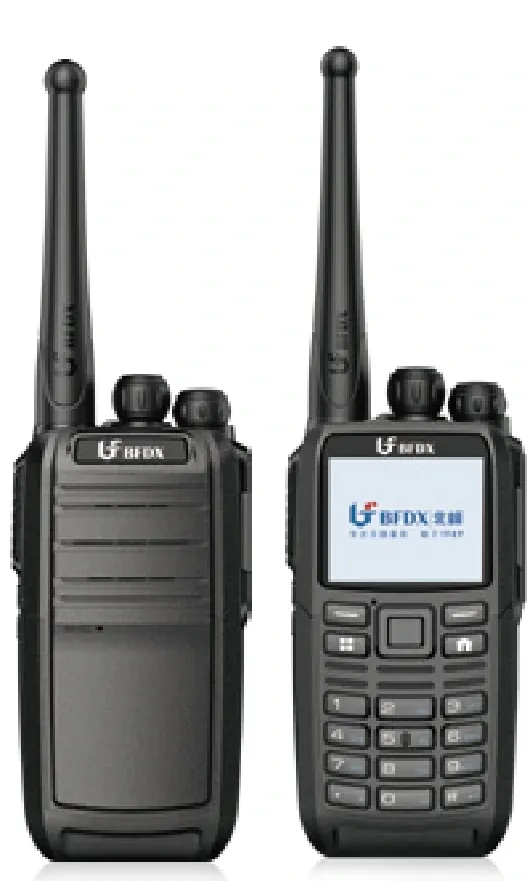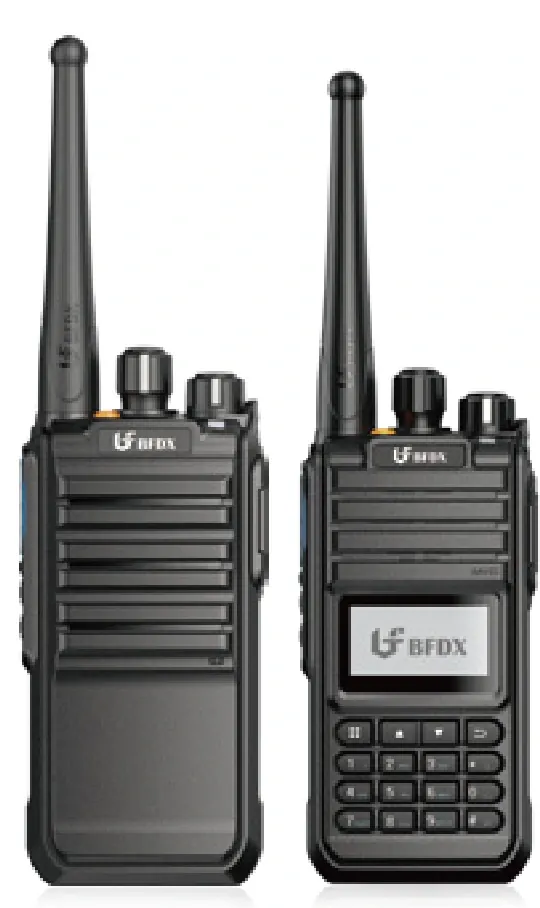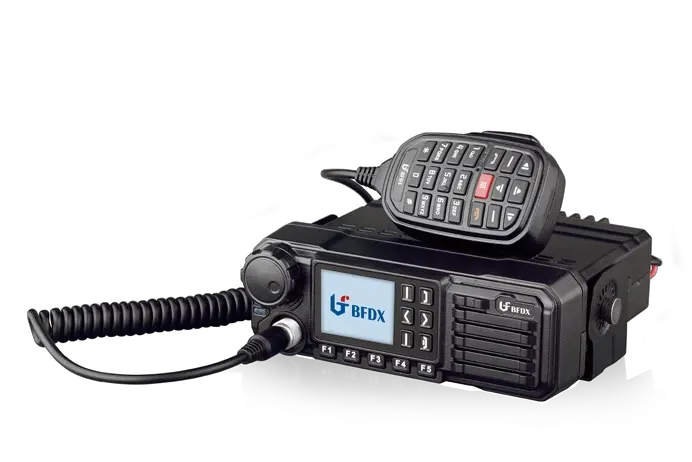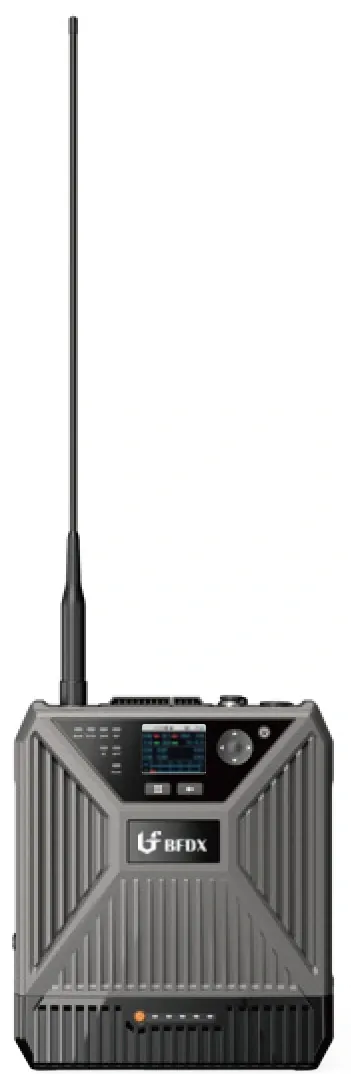
The design starts with the command plan. The organiser defines the functional areas — gates, seating, medical, security, operations and command — and the radio network is built to match: one talk group per function, a command group that can reach all of them, and a reserved emergency group. Where a group is large, it is split by zone so that a supervisor talks only to the people in their own area.
Coverage is provided by repeaters placed for the event and removed afterwards. A repeater on a mast or on a high point of the venue covers the open areas and the car parks; inside stands, back-of-house areas or temporary structures where the outdoor signal does not reach, an additional repeater or a distributed antenna is deployed. Antennas, feeders, power and mast fixings are all part of the temporary installation and are inspected before the gates open.
The radio pool is the operational part. Handhelds are issued by function with the channel list already programmed and locked, so a steward cannot accidentally change groups; battery charging and spares are planned per shift, and every radio is logged out and back in. A dispatch position sits with the event control room, with a base or mobile set for the person running the incident, and the acceptance routine is a scripted check of every talk group at every position before the event starts.