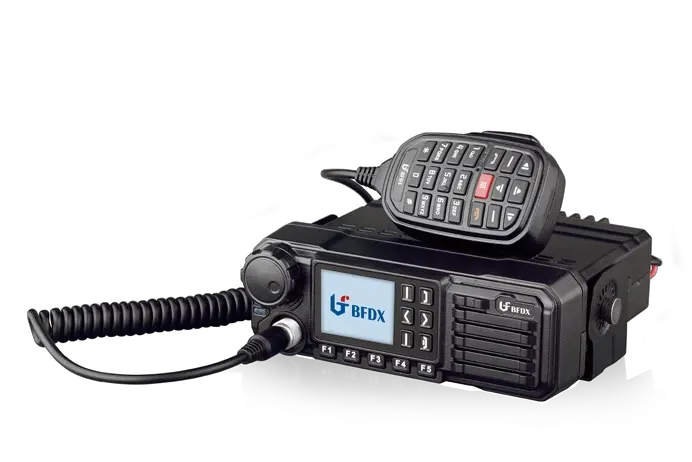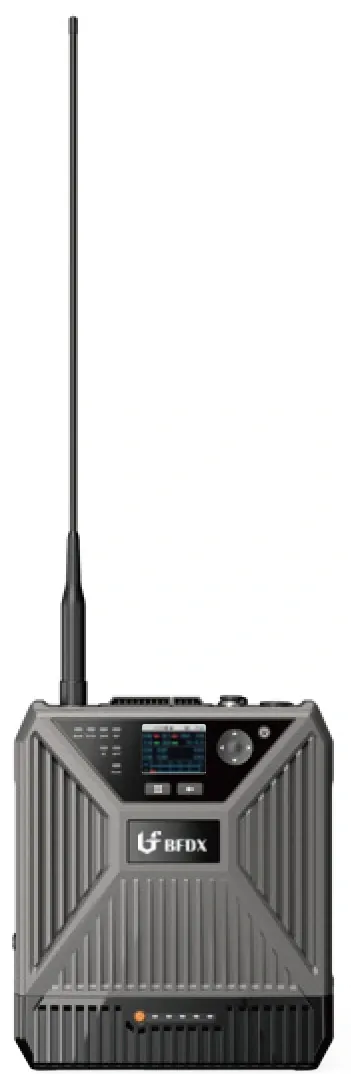
Coverage design is based on a measured survey rather than a plan drawing. The internal areas — blocks or workshops, corridors, stairwells and basements — are covered by a repeater in the equipment room feeding an internal antenna system, with antenna positions chosen to give even signal through the accommodation rather than a strong signal in one corridor. The perimeter is covered by the same network where possible, with additional coverage for gatehouses and towers, and a portable repeater is kept available for any area that still shows a dead spot after commissioning.
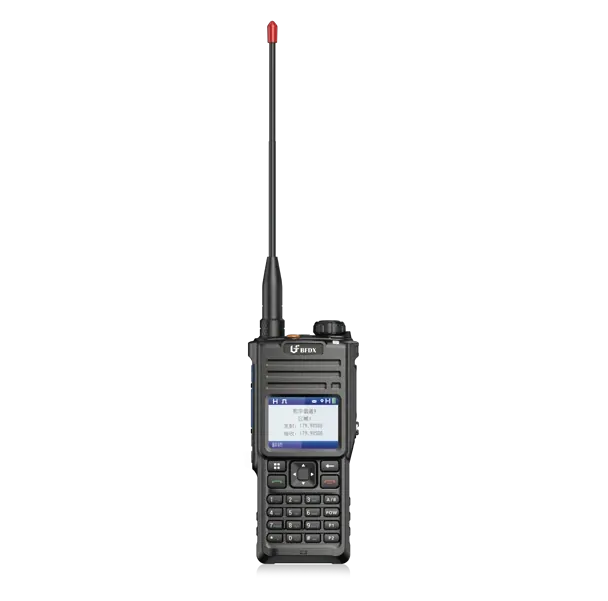
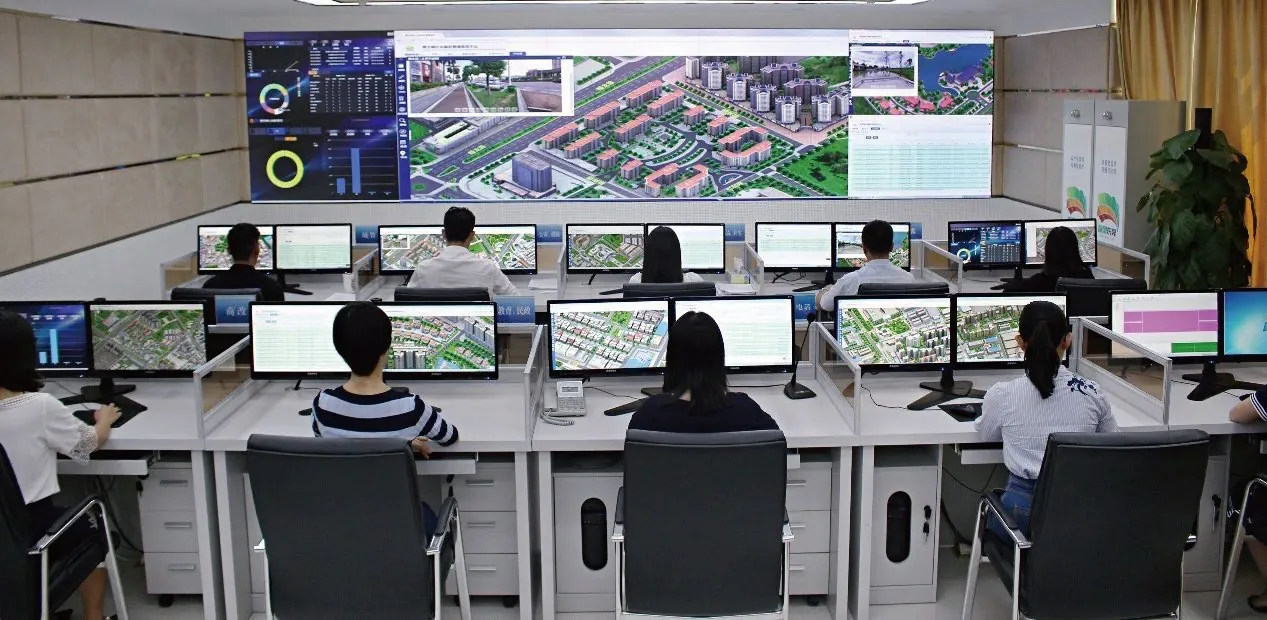
Post separation is enforced in the channel plan. Control room, patrol, gate, workshop, medical, escort and emergency each get their own talk group, and the control room can talk to all of them and monitor any of them. Handhelds are issued by post and locked so a user cannot move themselves into another group. Patrol rounds can be logged, and posts can be geofenced so that an officer leaving an area raises a notice at the control position.
Recording is set up as a system feature, not an afterthought. Handhelds with local digital recording keep a copy in the terminal itself, while the dispatch platform records the talk groups the facility nominates and stores them centrally with radio identity and time. Alarm integration connects the radio network to the existing alarm and CCTV systems, so an alarm raised on a radio can bring up the relevant camera view, and an alarm from another system can be confirmed or dismissed by a radio user at the post.