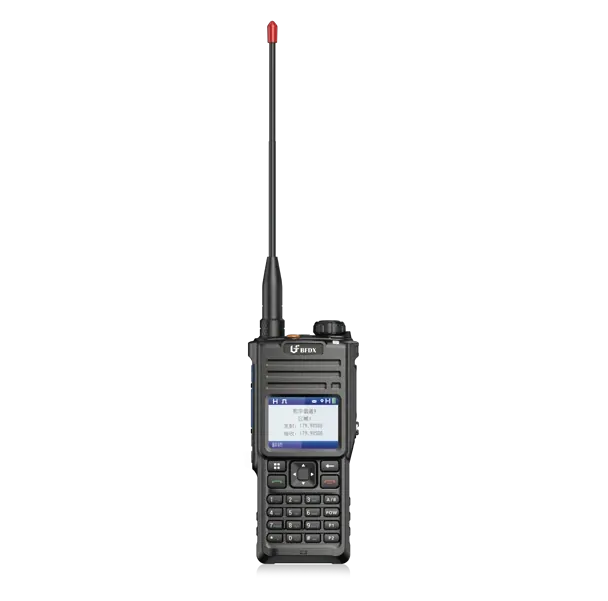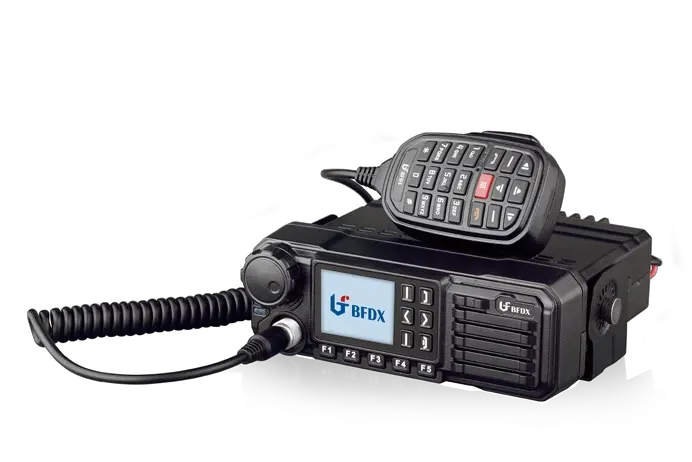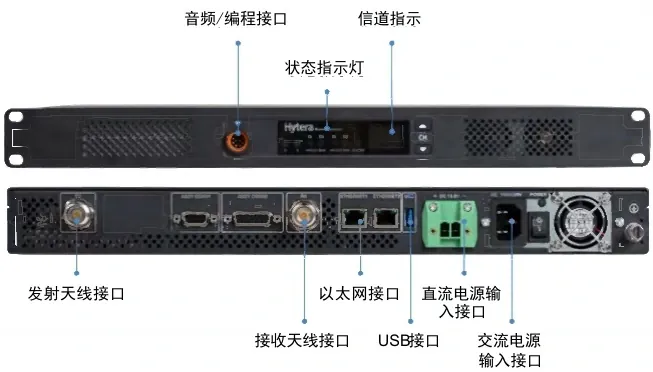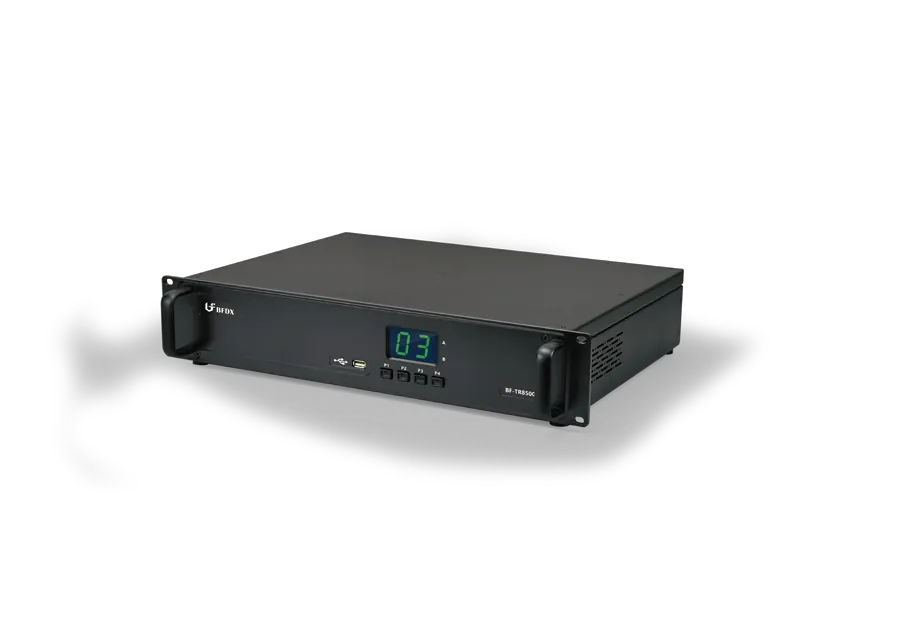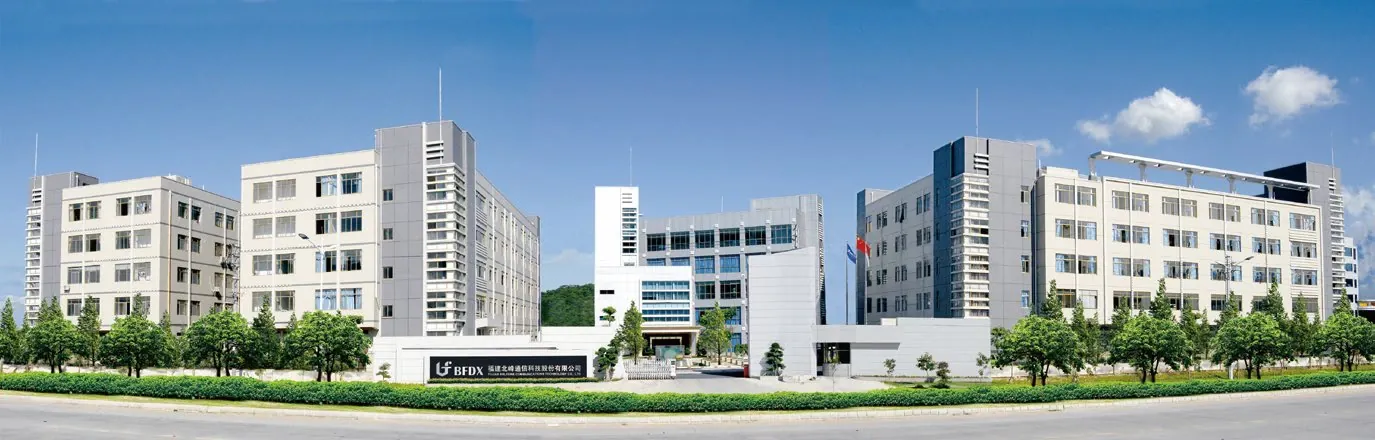
The network is designed as one system from the start. Each building or area gets a fixed channel unit or repeater sized to its coverage requirement, and the sites are linked over the existing IP network so that a talk group covers the whole park. A radio registered anywhere on the estate works everywhere on it, and roaming lets a user move between areas without changing channel.
The talk group plan is kept deliberately simple: a group per workshop or process area, a group for the utility and maintenance teams who travel the whole site, a group for gates and logistics, an emergency group, and a dispatch or control room group. Because the sites are linked, a call from the tank farm reaches the control room and the mobile maintenance team at the same time, which is often the difference between a small incident and an unplanned shutdown.
The control position sits where the plant is managed, usually the central control room, and connects to the site telephone system through a gateway so a radio user can reach an extension without a second device. Coverage is verified building by building and along the routes between them, with attention to the areas that have no personnel on a normal shift but will have them during a shutdown or an emergency. Where an area cannot be reached economically by the fixed network, a portable repeater or a vehicle set provides the fallback.