A 10,000 m² distribution centre typically needs 15–40 radios and 4–6 talk groups.
UHF 400–470 MHz with a repeater and aisle coverage is the usual design around metal racking.
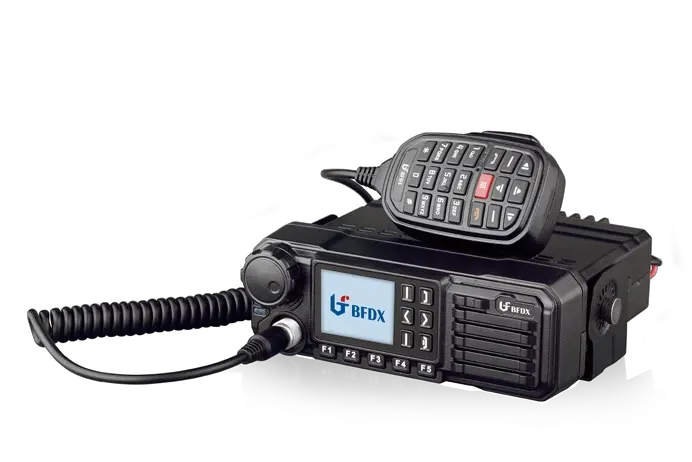
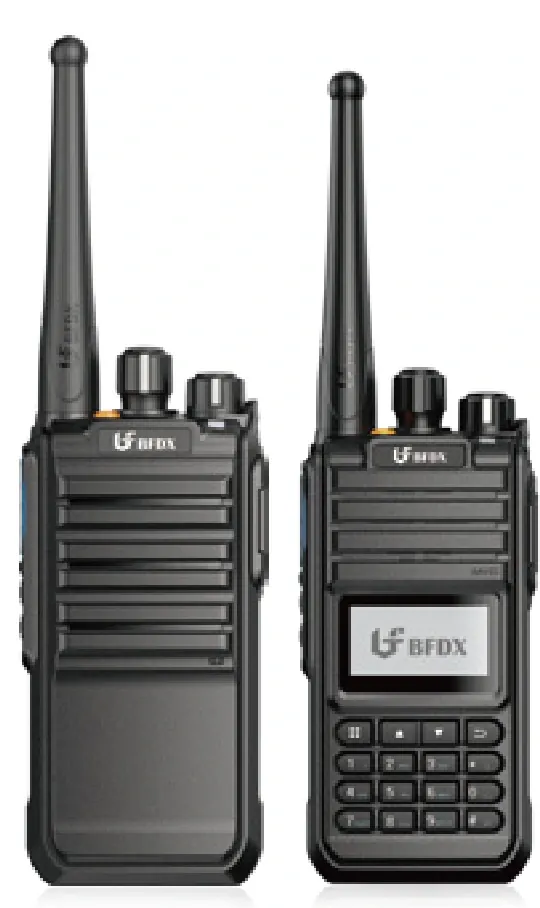
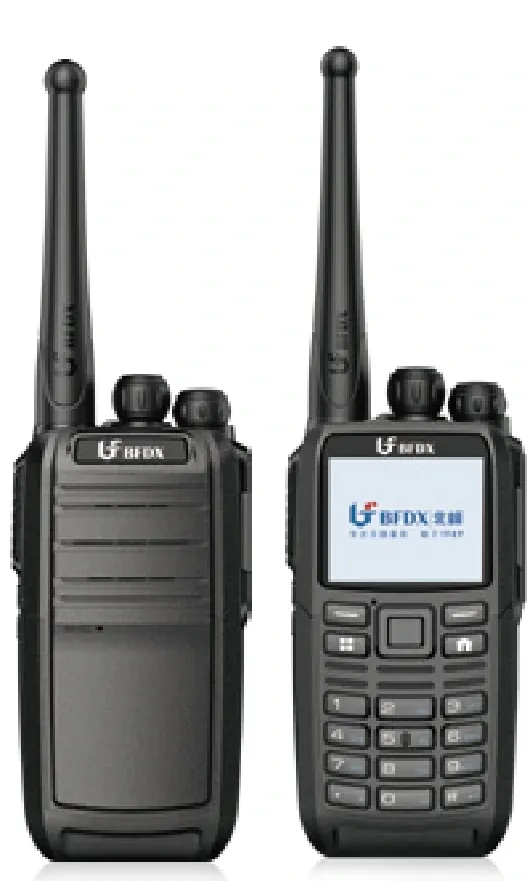
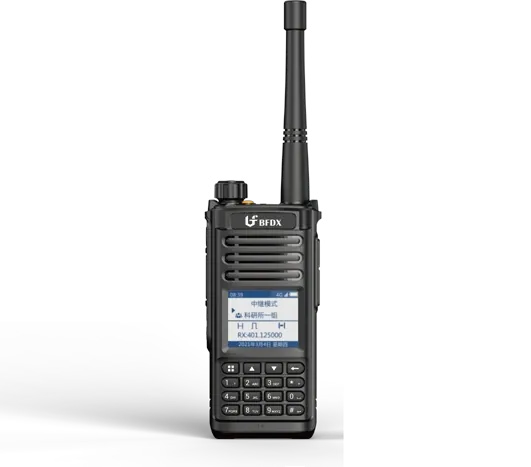
Forklift drivers need vehicle radios or speaker mics; pickers need compact 12–18 hour handhelds.
DMR separates inbound, outbound, yard and security groups on one 12.5 kHz carrier.
A logistics radio system is a traffic-control system. In one shift, the gate, yard, loading dock, picking floor and transport office generate a continuous stream of short calls. If one link is missing, trailers queue and orders slip.
The radio environment is hostile in a way that is invisible on a floor plan: racking, containers, steel cladding and stock absorb and reflect signal. A site that looks open on a drawing can be full of dead spots in the aisles that matter most.
Logistics configuration by zone
Zone / role
Typical users
Radio & accessory
Talk group
Example quantity
Receiving / inbound
4–10
DMR handheld + speaker mic
Inbound
8
Picking / put-away
10–30
Compact DMR handheld + earpiece
Floor groups
20
Loading dock
4–10
DMR handheld + speaker mic
Outbound
8
Yard / forklift
5–15
Vehicle radio or PoC terminal
Yard
10
Security / gate
3–6
DMR handheld + base station
Security
4
Inventory / returns
2–6
Compact DMR handheld
Inventory
4
Example for a 10,000 m² distribution centre. Add 10–20% spares and a charging rack per department.
Logistics radio specification
Item
Typical specification
Why it matters
Band
UHF 400–470 MHz
Better penetration around racking and steel
Power
4–5 W handheld; 25–50 W mobile
Licensed repeater coverage and yard reach
Protection
IP54–IP67
Dust, cold-store condensation and washdown
Battery
12–18 h, hot-swap optional
Covers a full shift and overtime
Audio
Loud speaker, noise-cancelling mic
Audible over conveyors, forklifts and dock noise
Accessories
Speaker mic, earpiece, vehicle kit
Hands-free for drivers and pickers
Analog vs DMR vs PoC for logistics
Dimension
Analog
DMR
PoC
Talk groups
One per frequency
Two per 12.5 kHz carrier
Platform groups
Racking coverage
Repeater + aisle antennas
Repeater + aisle antennas
Depends on indoor mobile signal
Forklift integration
Vehicle radio
Vehicle radio or handheld
Vehicle terminal
Recording / dispatch
Limited
Integrated
Platform-dependent
Best fit
Small single-site warehouse
Multi-zone distribution centre
Multi-site fleet
How many radios does a distribution centre need?
A 10,000 m² distribution centre typically needs 15–40 radios across receiving, picking, dock, yard, security and inventory. A larger automation-heavy site can need 50 or more; a small single-aisle warehouse may need 8–15.
Count by zone and shift, then add 10–20% spares. The yard and dock usually need louder audio and vehicle accessories; the picking floor needs compact radios with long battery life.
Why does racking kill coverage?
Metal racking, containers, steel cladding and dense stock absorb and reflect radio energy. The result is not a uniform reduction in range; it is a patchwork of dead spots that changes when the stock changes. A radio that works in an empty aisle can fail when the aisle is full.
The fix is not more power alone. It is antenna placement: a repeater on the roof or a lighting mast, plus indoor antennas positioned to illuminate the aisles rather than the ceiling. A walk test along every aisle is the only way to prove coverage.
How do you cover the yard and dock?
The yard and dock are a different radio problem from the aisles: fewer obstructions but longer distances, vehicle bodies, containers and changing trailer positions. A repeater on a high point of the warehouse or a yard mast usually covers both, but the antenna pattern has to be planned for the yard.
Forklift and truck operators are often in a cab with the radio on a charger. A vehicle set with an external antenna and a speaker microphone is more reliable than a handheld left on the seat.
How do you split talk groups by flow?
Follow the flow of goods: inbound, put-away/picking, outbound, yard, returns and security. Add a management or control group that can reach all of them, and one emergency group that overrides normal traffic.
On DMR, two talk groups can share a 12.5 kHz carrier. That keeps the licence simple, but do not put two groups that peak at the same time on one carrier.
What accessories do forklift drivers need?
A vehicle-mounted radio with an external antenna, a speaker microphone and a hands-free PTT is the most reliable setup for a forklift. If the driver also walks the floor, a belt-worn handheld with a remote speaker mic is a practical compromise.
Avoid leaving a handheld on the seat or in a cup holder. Vibration, impacts and heat shorten its life, and the antenna is shielded by the cab.
How do you manage a large radio pool?
Use a charging rack per department, issue radios by number and keep a master programming file. Label each radio with its zone and group. For a multi-shift operation, a simple sign-out sheet is enough; for a large site, a management platform can track battery health and disable a lost unit.
Plan battery rotation: two packs per radio, dated and replaced on schedule. A radio with a tired battery is worse than no radio, because the user believes it will work.
Logistics compliance and installation notes
Logistics radio compliance covers the licence, the physical environment and the safety of drivers and pedestrians. Settle the frequency plan before the racking is full, because coverage testing is harder once the stock arrives.
Confirm the UHF sub-band and licence before ordering.
Choose IP54 or higher; IP67 for cold stores and washdown areas.
Use vehicle kits and external antennas for forklifts.
Keep UN38.3 and SDS documents for lithium batteries.
Walk-test every aisle after racking is installed.
Project evidence
Multi-Building Industrial Park Network
A multi-building industrial site with steel structures, warehouses and outdoor routes, covered by IP-linked repeaters and a shared group plan.
The control room can reach any building; teams move between areas without changing channel; the system extends as new buildings are added.
Client name withheld; the figures describe the delivered configuration.
A 10,000 m² distribution centre typically needs 15–40 radios. Count by zone and shift, add 10–20% spares, and include vehicle radios for forklifts and yard tractors.
Why do radios fail in the aisles?
Metal racking, stock and steel cladding absorb and reflect the signal. A radio that works in an empty aisle can fail when the aisle is full. A repeater with aisle-facing antennas and a walk test is the fix.
UHF or VHF for a warehouse?
UHF 400–470 MHz is the usual choice for indoor racking and buildings. VHF can work in open yards and along linear sites, but it is less reliable in dense racking.
Do warehouse radios need a licence?
A small warehouse can use licence-free PMR446 or FRS handhelds within the limits. A large site with a repeater, multiple talk groups or yard coverage normally needs a business licence.
How do we cover the yard and dock?
Use a repeater on a high point of the warehouse or a yard mast, with antennas planned for the yard and dock. Vehicle sets with external antennas are more reliable than handhelds left in a cab.
How many talk groups do we need?
Start with inbound, picking, outbound, yard, returns and security. Add a management group and an emergency group. On DMR, two groups can share a carrier if their peak traffic does not overlap.
How do we manage charging for 40 radios?
Use a charging rack per department, issue by number and keep a sign-out sheet. Plan two battery packs per radio and replace them on a schedule.
Get a project quotation
Send the site size, number of users and talk groups. Our engineers reply within one working day with a workable configuration.