Radios need SDPPI certification; most business sites also need a frequency licence from the regulator.
Check TKDN local-content rules and import approval requirements before choosing the model.
Plan 4–8 weeks for certification and production, plus 2–4 weeks for freight and clearance.
Use IP67 terminals, corrosion-resistant accessories and repeaters for remote islands and humid sites.
Indonesia is a large, island-based project market. Mining in Kalimantan and Papua, construction around Jakarta and the new capital, hospitality in Bali and Jakarta, security services and logistics all depend on radio coverage that often has to cross buildings, terrain or water.
The regulator is the Directorate General of Resources and Equipment for Post and Informatics (SDPPI), under the communications ministry. Certification, frequency licensing, local-content rules and import approval all sit between the factory and the site. This guide explains the sequence.
Typical radio projects in Indonesia
Sector
Typical system
Approval focus
Typical radios
Project scale
Mining and energy
DMR + repeater; ATEX where required
SDPPI certification + frequency licence; hazardous-area certificate
50–120 handhelds
Camp or remote site
Construction and infrastructure
DMR + portable repeater + mobile radios
SDPPI certification + frequency licence
30–100 radios
Project duration
Hotels and resorts
DMR + repeater + earpieces
SDPPI certification + frequency licence
25–80 handhelds
Single property
Security and logistics
DMR + dispatch and recording
SDPPI certification + frequency licence
30–90 handhelds
Multi-site
Scale is a planning range. A coverage survey and shift plan set the final count.
Typical equipment package
Role
Recommended terminal
Why it fits
Typical quantity
Site handheld
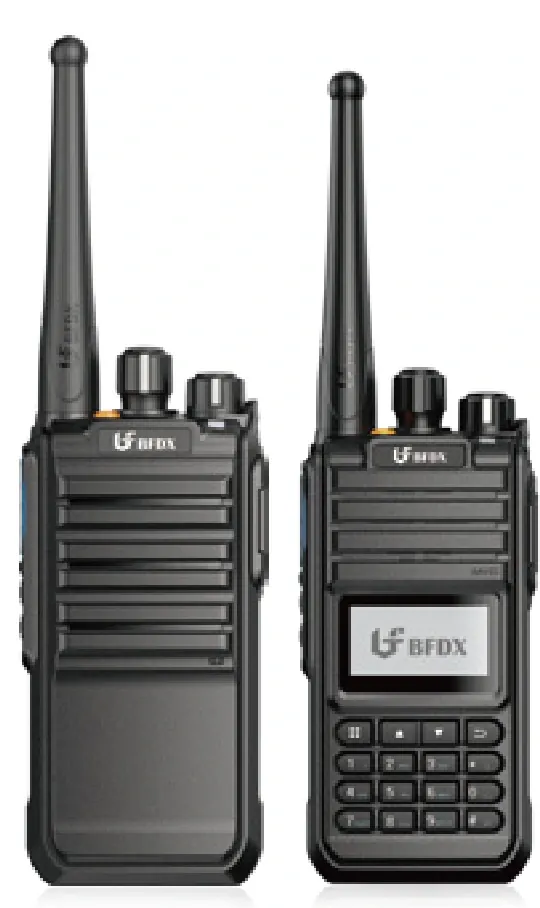
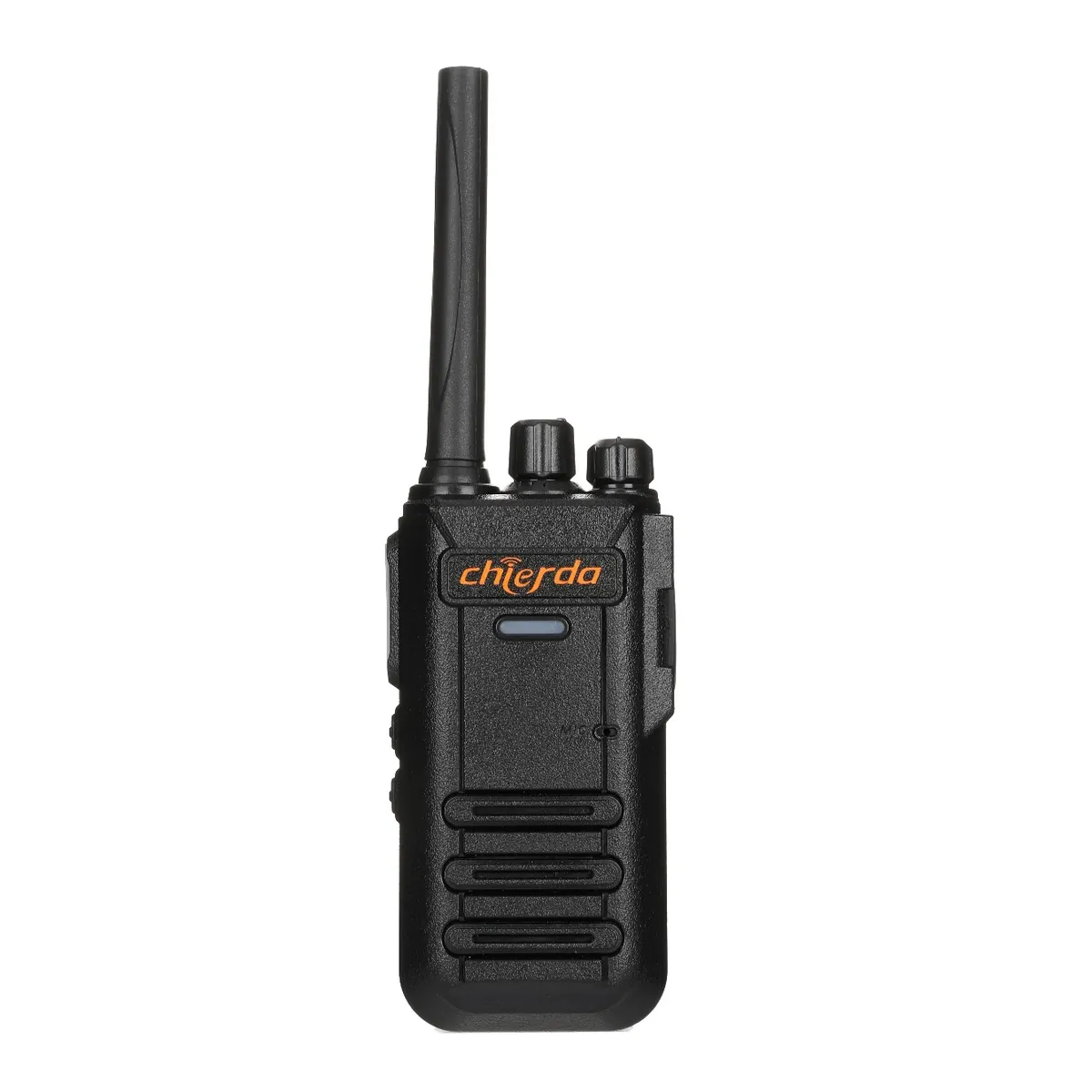
IP67 DMR handheld, 5 W, 256 channels
Dust and water protection, loud audio, all-day battery
20–80
Supervisor / control room
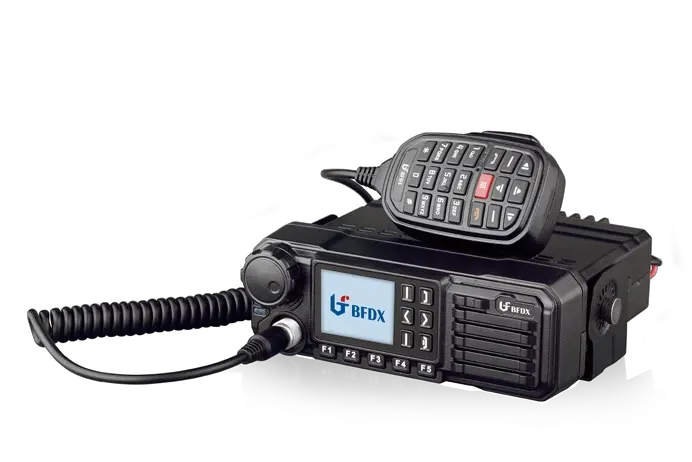
25–50 W mobile radio or base station
A fixed control point with higher power and a desk microphone
2–10
Coverage
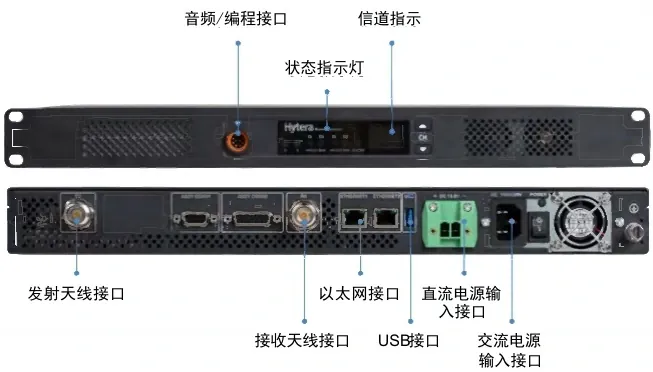
25–50 W repeater with antenna and feeder
Extends coverage across buildings, yards and remote areas
1–3
Accessories
Earpieces, spare batteries, multi-way charger
Hygiene, shift changes and continuous charging
1 per radio
Quantities are a starting point for one site. Confirm them after a coverage walk-test and a shift plan.
Analog, DMR or PoC?
Technology
Best for
Limitations
Typical use
Analog
Small teams, simple voice and the lowest equipment cost
No text, GPS or recording; limited privacy
Small hotels, guarding, short projects
DMR
Dispatch, recording, multi-site coverage and long battery life
Higher unit cost; programming and licensing are required
Hotels, industry, events, public safety
PoC
Wide-area coverage over mobile data, rapid deployment
SIM and data cost; network dependency; latency
Logistics, dispersed teams, temporary sites
Most projects combine DMR handhelds with a repeater, plus a small pool of analog spares for contractors and short-term staff.
How does SDPPI certification work?
SDPPI certification confirms that the model and band version meet Indonesian telecom equipment rules. It is tied to the hardware and frequency range, so a UHF version and a VHF version are certified separately. The local importer usually holds the certificate and submits the manufacturer’s test reports and technical file.
Frequency licensing is a separate application through the communications ministry. The operator lists the channels and locations it will use, and programming happens after the licence is issued. For mining, construction and multi-site security projects, include every location and talk group in the application.
Confirm SDPPI certification for the exact model and band.
Check TKDN local-content applicability before selection.
Apply for the frequency licence before programming.
Keep certification and licence copies with the shipment.
Which frequencies work across Indonesian sites?
UHF is common for hotels, malls, office buildings and dense urban sites; VHF is used where coverage has to cross open ground, water or long site roads. The licence defines the exact channels and band, so the radio must be ordered in the matching version. Do not rely on unlicensed PMR446 or FRS equipment.
Remote islands and mining sites need a different coverage approach. A repeater on a high point can cover a camp or a port area, but a site spread across valleys or water may need linked repeaters, mobile radios in vehicles and solar charging. Survey before fixing the architecture.
UHF for buildings; VHF for open ground and water crossings.
Survey terrain and distance before fixing repeater sites.
Plan solar or generator charging for remote camps.
Reserve an emergency group across all locations.
How do radios enter Indonesia?
Import runs through a licensed importer with the correct import approval. The invoice, packing list and HS code must match the certified model and band. Lithium batteries need UN38.3 and SDS, and chargers must be rated for 230 V with the plug type used at site.
Local-content and product-registration rules can add time, especially for telecom equipment. The importer should confirm TKDN applicability, any additional product registration and the customs route before the order leaves the factory. A small first shipment can validate the document set before a larger rollout.
Use an importer with telecom equipment experience.
Check TKDN and product registration before selection.
Match invoice, HS code and certification on model and band.
Include UN38.3 and SDS with battery shipments.
What radio setup suits Indonesian conditions?
Humidity, heat, dust and salt air are the main threats. Choose IP67 terminals, corrosion-resistant antennas and accessories, and batteries rated for a full 12-hour shift at high temperature. For hotels and resorts, use earpieces and low alert volume; for security and mining, add remote speaker microphones, lone-worker alarms and recording.
A typical project uses 30–120 radios, one or two repeaters and 4–10 mobile or base radios. Remote sites should carry spare batteries, a multi-way charger and at least one spare handheld per shift. Program, label and lock the channel plan before shipment.
IP67, corrosion-resistant antennas and accessories.
High-temperature batteries for full-shift use.
Spare radios and chargers for remote sites.
Program and label before shipment.
Market compliance notes
Confirm SDPPI certification for the exact model and band, the frequency licence for every location, TKDN applicability and the importer’s approval. Keep certification, licence, invoice and battery documents together for customs and the customer.
Type approval certificate for the exact model and band version.
Frequency licence or assignment letter for the site.
Commercial invoice, packing list and HS code.
UN38.3 test summary and SDS for lithium batteries.
Importer and consignee details for customs.
Local-language labels or manuals where required.
Project evidence
Multi-Building Industrial Park Network
A multi-building industrial project supplied with project-specific band versions, programming and documentation.
The local partner received configured radios and a document pack; commissioning proceeded building by building.
Client name withheld; the figures describe the delivered configuration.
Yes. The model and band version need SDPPI certification, and most business sites also need a frequency licence before transmitting. The local importer normally holds the certificate and supports the licence application.
Does TKDN apply to two-way radios?
TKDN local-content rules can apply to telecom equipment. Confirm applicability for the specific product and procurement route with the importer before choosing a model.
Which band is used for hotels and mining sites?
UHF is common for hotels, malls and dense sites; VHF is used where coverage must cross open ground or water. The licence defines the exact channels and band version.
Can you program radios before shipping?
Yes, once the frequency licence and channel plan are confirmed. Radios are programmed, labelled and locked before packing.
How long does a project take?
Plan 4–8 weeks for certification and production, plus 2–4 weeks for freight and clearance. TKDN review or first-time registration can take longer.
Can you supply solar charging for remote sites?
Yes. Solar charging kits and vehicle chargers are available for camps and remote sites; the sizing depends on the number of radios and the charging window.
Do you provide local service?
Local importers and service partners normally provide first-line support and spares. We support the technical file, replacement units and programming; terms are stated in the quote.
Are chargers suitable for Indonesian power?
Yes. Specify 230 V input and the plug type used at site; multi-way chargers are available for shift changes.
Get a project quotation
Send the site size, number of users and talk groups. Our engineers reply within one working day with a workable configuration.