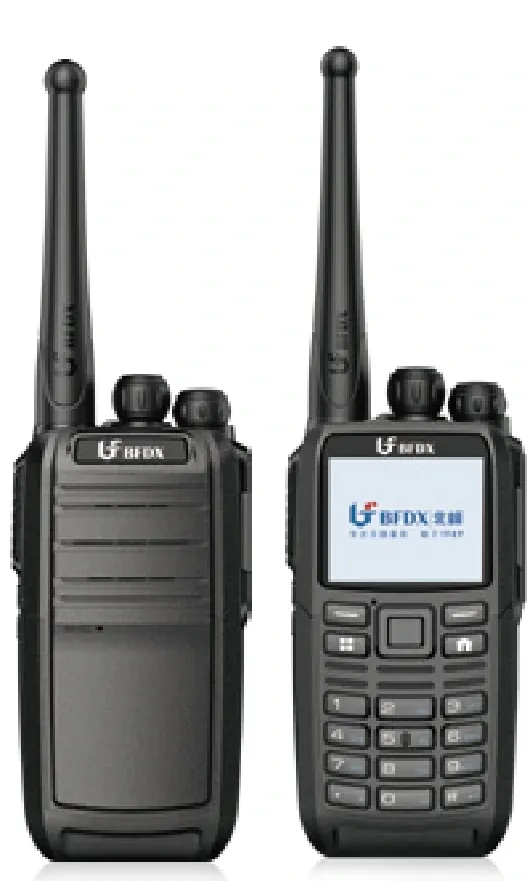
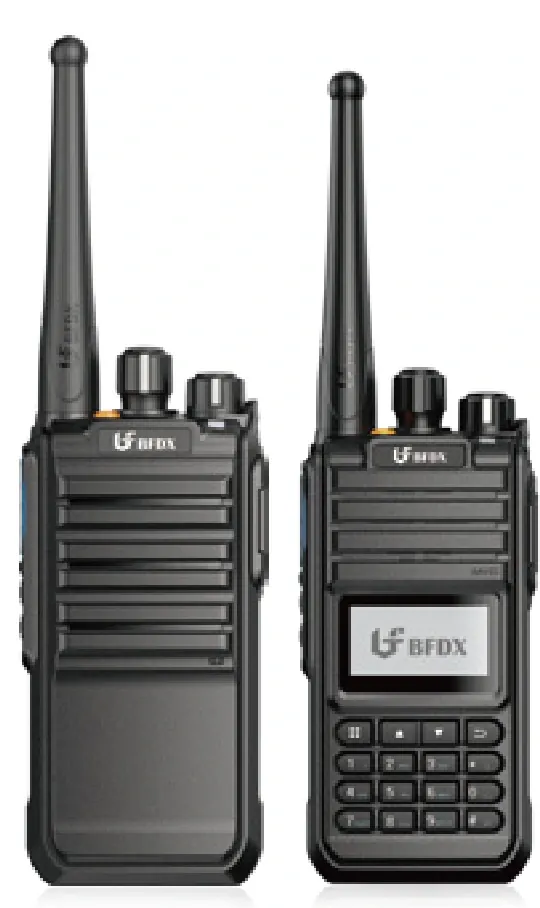
A mid-size construction site typically needs 20–60 radios and 2–4 talk groups.
Choose IP67 or IP68, a 12–18 hour battery and controls usable with dirty gloves.
Analog is common and economical; DMR adds separate subcontractor groups, IDs and recording.
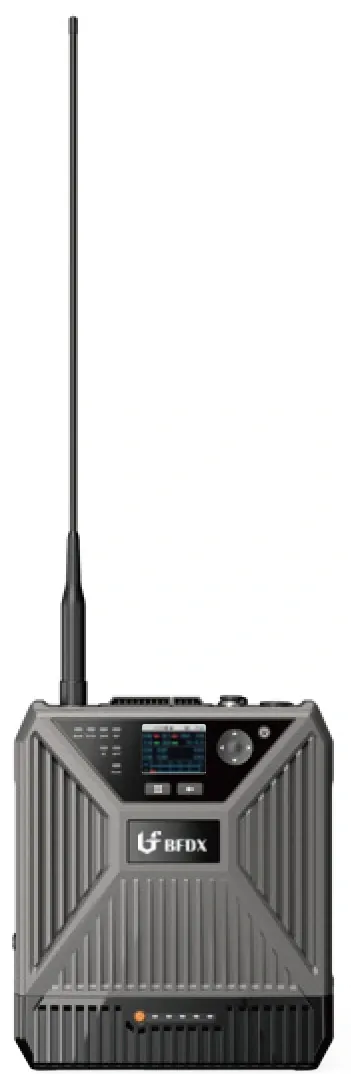
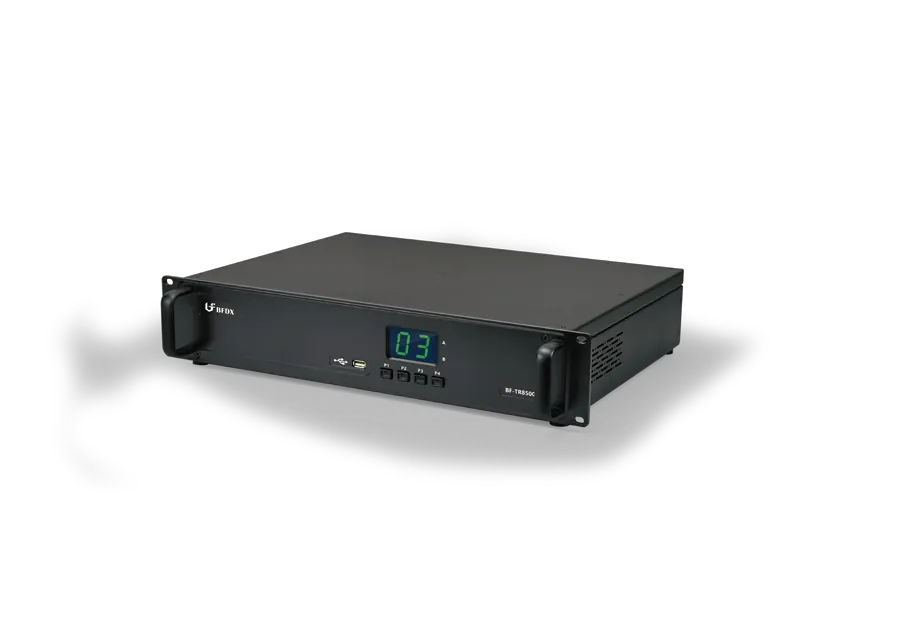
A portable repeater can be on air in hours for a large or changing site, without fixed infrastructure.
A construction site is a radio environment that changes every week. The steel goes up, the floors multiply, the basement gets deeper and the crane moves. A coverage plan that worked in month one may fail in month six — not because the radios changed, but because the building did.
The radio requirement is also social: the main contractor, the MEP subcontractor, the concrete crew and the site security may be different employers with different radios. The system has to keep them separated when they need separation and connected when the job requires it.
Construction site configuration by zone
Zone / crew
Typical users
Radio & accessory
Talk group
Example quantity
Site office & management
3–8
DMR handheld + base station
Management
6
Crane & plant operators
4–10
Rugged handheld + speaker mic
Plant group
10
Ground crew / labor
15–40
IP67 analog or DMR handheld
Zone groups
30
Subcontractors (MEP, fit-out)
10–30
DMR handheld, own group
Subcontractor groups
20
Security & gate
4–8
DMR handheld + base station
Security + emergency
8
Survey / engineering
2–6
DMR handheld + GPS
Engineering
6
Example for a mid-size commercial project. Add 10–20% spares and a charging container or site office rack.
Construction radio specification
Item
Typical site specification
Why it matters
Protection
IP67 or IP68, dust and water
Rain, mud, concrete dust and washdown
Drop resistance
Rated for 1.5–2 m drops
Dropped from scaffolds, cabs and belts
Battery
12–18 h at 5/5/90, plus spare
Covers a full shift and overtime
Audio
Loud speaker, noise-cancelling mic
Audible over plant, cutting and traffic
Controls
Large PTT, gloved operation
No need to remove gloves on site
Accessories
Speaker mic, earpiece, vehicle charger
Hands-free for plant operators and crews
Analog vs DMR vs PoC on a construction site
Dimension
Analog
DMR
PoC
Coverage
Portable repeater, quick to deploy
Portable or fixed repeater
Mobile network
Subcontractor groups
Limited
Separate groups and IDs
Platform groups
Recording
Third-party
Integrated
Platform-dependent
Recurring cost
None per user
None per user
Subscription per user
Best fit
Short-term or simple sites
Multi-employer, long projects
Linear infrastructure, remote sites
How many radios does a construction site need?
Count the people who need to coordinate during peak activity, then add 10–20% spares. A mid-size commercial project typically needs 20–60 radios. A large infrastructure site with multiple subcontractors can need 100 or more.
The mix matters as much as the count: plant operators need a speaker microphone, ground crews need a rugged handheld, and the site office needs a base station. A single model for everyone is rarely the best configuration.
Do construction radios need a licence?
A small site using licence-free PMR446 or FRS handhelds may not need an individual licence, but it also cannot use a repeater or claim an exclusive channel. A large site with a repeater, multiple talk groups or crane operations normally needs a business licence and a frequency plan.
On multi-employer sites, decide who holds the licence and who programs the radios. The main contractor usually controls the site network; subcontractors either join it or bring their own licensed system. Mixing the two without a plan creates interference and disputes.
What protection rating is needed on site?
IP67 is the practical minimum for a construction site: dust-tight and able to survive temporary immersion. IP68 is better for wet trades, marine work and sites with regular washdown. The rating only holds if the battery and accessory covers are correctly fitted.
Drop resistance and temperature range matter as much as the IP number. A radio that is dropped from a scaffold, left in a hot cab or used with concrete-dusted gloves has to keep working. Ask for the test conditions, not just the IP code.
How do you cover a large or changing site?
For a site without fixed infrastructure, a portable repeater is the fastest answer. It can be raised on a mast, a container or a crane deck and moved as the site progresses. Handhelds work in direct mode where the repeater does not reach.
Plan the coverage around the work sequence: excavation, structure, fit-out. Each stage changes the path between radios. Re-check coverage after major structural changes, and keep a portable repeater available for the areas that fail.
How do you handle subcontractors and multiple employers?
Give each subcontractor its own talk group and a radio programmed with only the groups it needs. The main contractor keeps a command group that can reach everyone. If a subcontractor brings its own fleet, agree the frequency, band and channel plan before it arrives on site.
Do not let every employer operate its own repeater on the same site without coordination. Two repeaters on adjacent frequencies can interfere, and a subcontractor’s coverage problem can quickly become the main contractor’s problem.
What accessories matter on a construction site?
A speaker microphone is the single most useful accessory for plant operators and crews working with both hands. A remote earpiece keeps audio private in the site office and reduces noise exposure. A vehicle charger keeps radios alive in pickups and plant cabs.
Avoid consumer-grade earpieces with thin cables. On site, the cable is the part that fails first. Choose a reinforced speaker mic and a radio holster that keeps the antenna clear of the body.
How do you keep radios charged and in service?
Use a charging container or a locked rack in the site office, with a slot for every radio and a spare battery per radio. Issue radios by number at the start of the shift and collect them at the end. A radio that goes home in a worker’s bag is a radio that is not available tomorrow.
For a long project, plan battery rotation: two packs per radio, dated and replaced on a schedule. Heat and full discharge cycles shorten lithium battery life faster than the datasheet suggests.
Construction compliance and safety notes
Construction radio compliance is not only about the licence. It also covers hazardous areas, noise exposure, electrical safety and the coordination of multiple employers on one site.
Confirm the licence and frequency plan for the main contractor and every subcontractor.
In hazardous areas, use only certified terminals and accessories; check the zone classification first.
Choose IP67/IP68 and verify the battery and accessory seals.
Keep UN38.3 and SDS documents for lithium battery transport and storage.
Re-test coverage after major structural changes.
Project evidence
Multi-Building Industrial Park Network
A multi-building site with steel structures and outdoor routes, covered by linked repeaters and a shared talk-group plan.
Teams move between buildings without changing channel; the control room can reach any area; the same plan extends as new buildings are added.
Client name withheld; the figures describe the delivered configuration.
A mid-size commercial site typically needs 20–60 radios. Count the peak coordination roles, add plant operators, security and the site office, then add 10–20% spares.
What are the best construction site radios?
The best construction site radios are simple analog or DMR handhelds with gloved-hand controls, IP67 sealing, all-day batteries and a loud speaker. For most sites the practical choice is an analog walkie-talkie for day-to-day coordination, with DMR where separate talk groups or encryption are needed; best construction site walkie talkies are the ones the crew will actually carry and charge every day.
Do construction radios need a licence?
A small site can use licence-free PMR446 or FRS handhelds within the limits. A site with a repeater, multiple talk groups or crane operations normally needs a business licence and a frequency plan.
What IP rating should we choose?
IP67 is the practical minimum for dust and temporary immersion. Choose IP68 for wet trades, marine work or regular washdown, and check that the battery and accessory seals are in good condition.
How do we cover a site that keeps changing?
Use a portable repeater on a mast, container or crane deck and move it as the site progresses. Re-test coverage after major structural changes and keep direct mode as a fallback.
Can subcontractors use their own radios?
Yes, if the frequency, band and channel plan are coordinated before they arrive. Give each subcontractor its own talk group and avoid independent repeaters on adjacent frequencies.
What accessories are essential on site?
A reinforced speaker microphone, a remote earpiece for the site office, a vehicle charger and a rugged holster. Avoid thin consumer earpieces; the cable fails first.
How do we manage charging on a large site?
Use a charging container or locked rack with a slot per radio and a spare battery per radio. Issue by number at the start of the shift and collect at the end; plan battery rotation for long projects.
Get a project quotation
Send the site size, number of users and talk groups. Our engineers reply within one working day with a workable configuration.