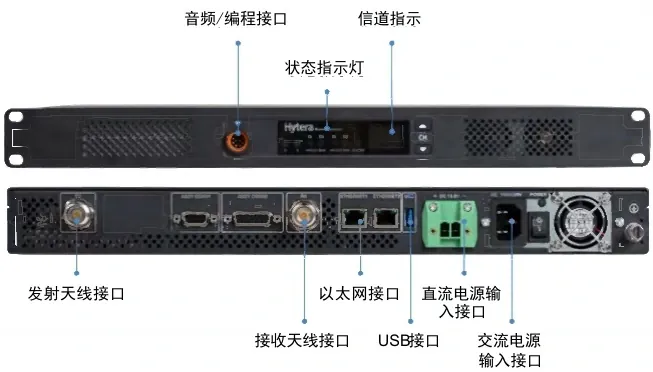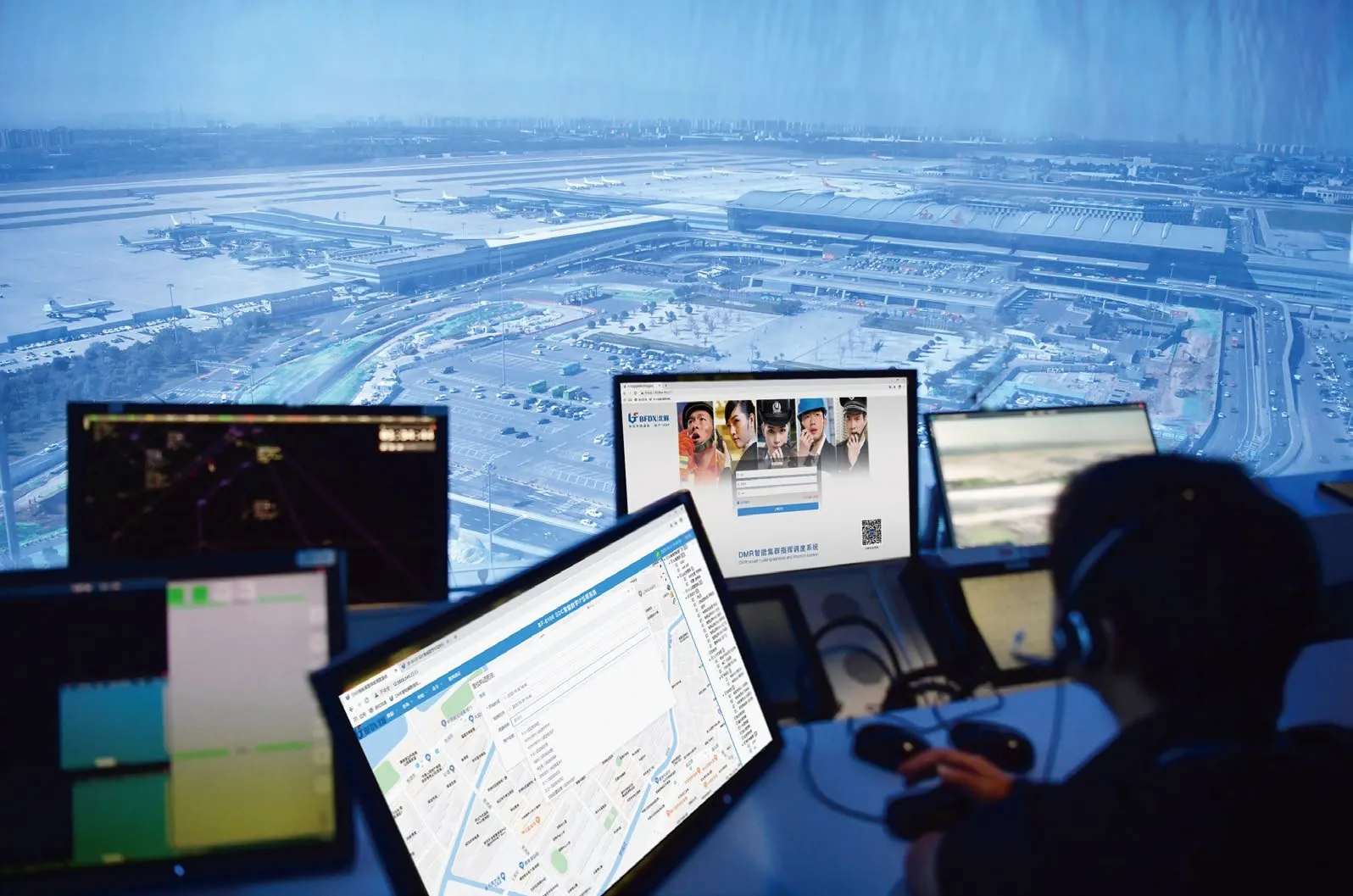
Coverage is planned from the back of the building forward. A repeater with a well-placed antenna covers the upper floors and the public areas, and where basements, plant rooms or multiple wings block the signal, a small distributed antenna system extends coverage into those areas. The car park and the service yard are checked separately, because they behave differently from the interior. The result is one network across the property, rather than a system that only works in the lobby.
Department groups are then defined: front desk, housekeeping by floor group, food and beverage, engineering, security and management, with an emergency group that overrides everything. A digital channel is used where the number of groups is high, because its two time slots let two groups work on one frequency instead of paying for more channels. Radios are issued per department from a controlled pool, with earpieces for guest-facing roles and louder accessories for engineering and security.
The system is connected to the property infrastructure where it saves staff a device: a gateway links the radio network to the PBX so a call can be transferred to a radio, and to the fire alarm panel so an alarm can be confirmed and answered by radio. The security desk gets a base or mobile set as a fixed control point, and for a group of properties the same channel plan, radio model and configuration file are reused, so a member of staff moving between sites already knows how the radio works.