Africa is a multi-country market: each country has its own type approval and frequency licence.
South Africa, Nigeria, Kenya, Ghana, Tanzania, Egypt and Morocco are common project markets.
Import through a local dealer or importer; plan 3–10 weeks plus approval and freight time.
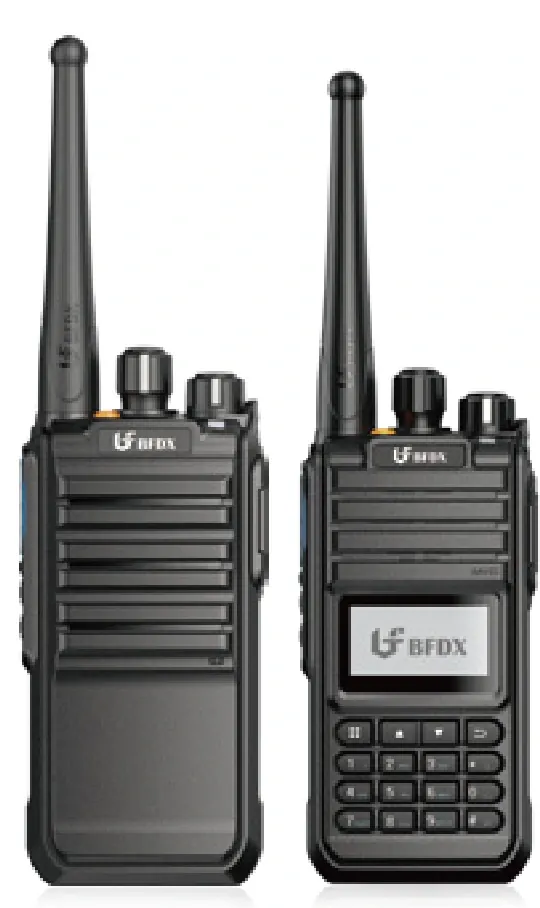
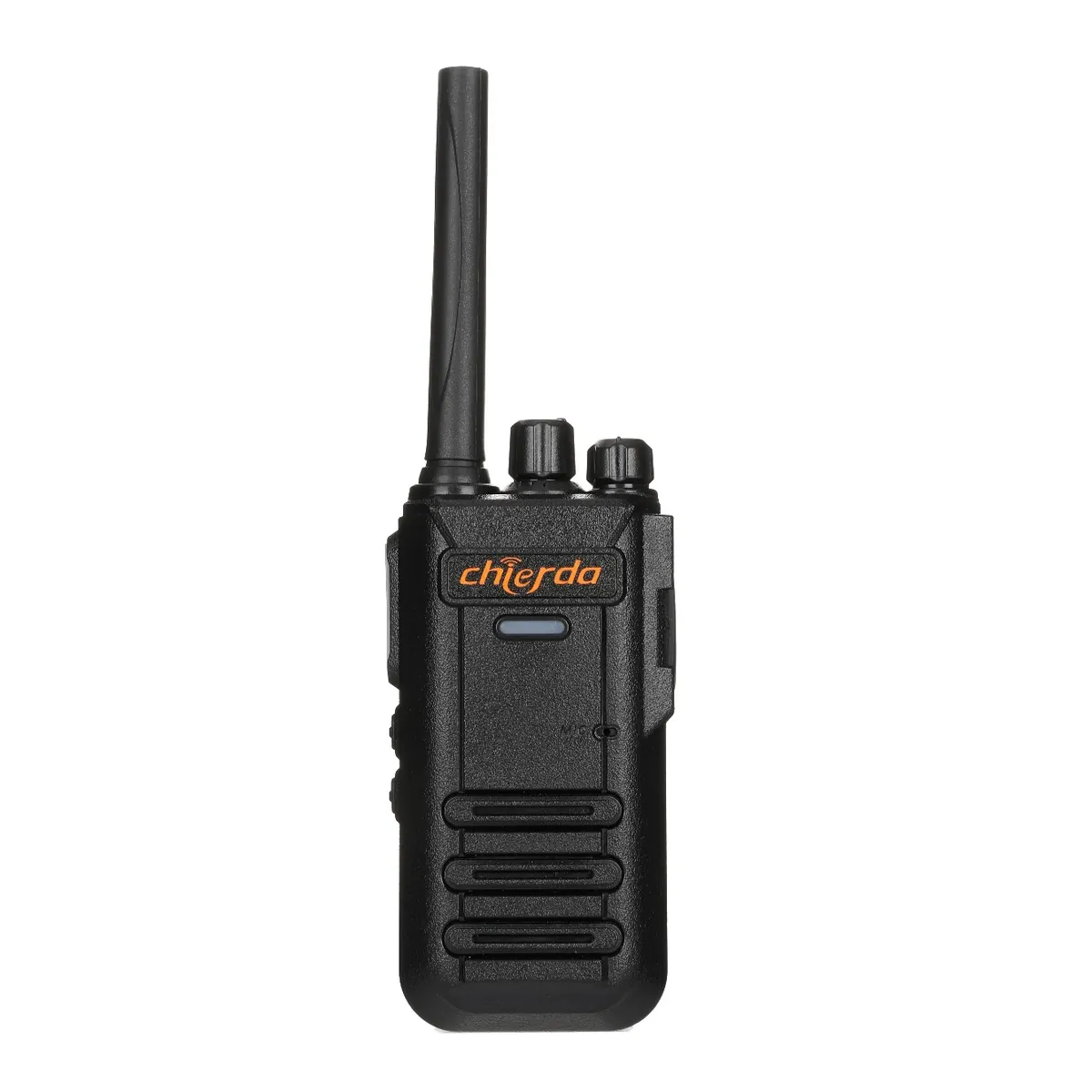
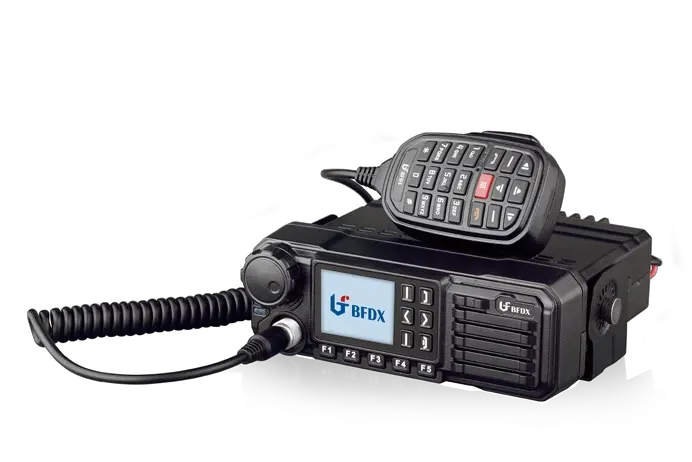
IP67 terminals, 12–18 hour batteries and vehicle/solar charging suit site conditions.
Africa is not one market. A project in South Africa, Nigeria, Kenya or Morocco faces a different regulator, a different import process and often a different dealer. The equipment may be the same, but the paperwork and the route to site are not.
This page covers the approval landscape, the import documents and the supply model we support for mining, construction, security, hospitality and logistics projects across the continent.
Typical projects by sector
Sector
Typical system
Approval focus
Typical radios
Project scale
Mining
DMR + repeater / leaky feeder
Type approval + frequency licence; hazardous-area certification where required
30–100 handhelds
Single site or camp
Construction
Analog/DMR + portable repeater
Type approval + frequency licence
20–60 handhelds
Project duration
Security
DMR + dispatch / recording
Type approval + frequency licence
10–40 handhelds
Single or multi-site
Hotel / hospitality
DMR + repeater + indoor antennas
Type approval + frequency licence
20–40 handhelds
Single property
Logistics / port
DMR + vehicle radios
Type approval + frequency licence
15–40 handhelds + mobiles
Yard / terminal
Agriculture / plantation
Analog/DMR + vehicle radios
Type approval + frequency licence
10–30 handhelds
Large open area
Project scale is indicative. Confirm the regulator and approval path for the destination country before ordering.
Country approval snapshot
Country
Regulator
What to confirm
Typical project
South Africa
ICASA
Type approval, frequency licence, local importer
Mining, security, hotels
Nigeria
NCC
Type approval, frequency assignment, import documents
Security, construction, logistics
Kenya
Communications Authority (CA)
Type approval, frequency licence
Hotels, security, construction
Ghana
NCA
Type approval, frequency authorisation
Mining, security, logistics
Tanzania
TCRA
Type approval, frequency licence
Mining, construction, hotels
Egypt
NTRA
Type approval, frequency licence
Hotels, security, industry
Morocco
ANRT
Type approval, frequency licence
Hotels, retail, industry
Regulator names and procedures change. Confirm the current requirements with the local partner before the order is placed.
Start with the countries where the project actually is, not with a continental map. South Africa, Nigeria, Kenya, Ghana, Tanzania, Egypt and Morocco have well-established approval processes and active mining, construction, hospitality and security sectors.
If you are building a dealer network, choose two or three countries with a local partner first. A single well-supported market is worth more than five countries with no after-sales.
What approval does each country require?
Most countries require two things: type approval for the equipment and a frequency licence for the operator and site. The regulator, the documents and the lead time differ. Some countries also require a local importer or a registered agent.
The equipment must match the approved band version. A radio approved in Europe or the US is not automatically approved in an African market, and a licence in one country does not cover another.
Confirm the regulator and the exact approval path for the destination country.
Match the radio band version to the approved frequency range.
Keep the type approval and licence documents with the shipment.
Check whether a local importer or registered agent is required.
What import documents are needed?
A standard shipment needs a commercial invoice, packing list, type approval evidence and battery transport documents. Depending on the country, customs may also ask for a certificate of origin, a declaration of conformity, label artwork and the importer’s registration.
Send the document requirements at quotation stage. Documents requested after the shipment is booked are slower and more expensive.
What lead time and logistics should we plan?
Standard models ship in 2–4 weeks. A project with programming, accessories and a mixed model list usually takes 3–10 weeks. Add sea or air freight, customs clearance and approval time.
For inland projects, plan the last mile carefully. A radio that reaches the port is not a radio on site. Include the dealer or project partner in the delivery plan.
What radios suit African site conditions?
Dust, heat, humidity, rough roads and unreliable mains power are common. Choose IP67 terminals, a 12–18 hour battery, a loud speaker and accessories that can be replaced locally. Vehicle charging and solar charging are practical for remote sites.
For mining and hazardous areas, the certification requirement is decided by the site’s zone assessment. Do not use a standard radio in a classified zone.
How do we support dealers and projects locally?
We support the technical file, the band version, programming and the project configuration. The local dealer or importer owns the in-country relationship, customs and first-line service.
For a new market, start with a pilot of 10–20 radios. Test coverage, audio, accessories and after-sales before committing to a full container.
Africa compliance notes
Approval is country by country. Confirm the regulator, the band version, the licence holder and the import route before the order is placed. Keep the type approval, licence and battery documents with the shipment.
Confirm type approval for the exact model and band version.
Confirm the frequency licence route for the site.
Check whether a local importer or agent is required.
Keep UN38.3 and SDS with the battery shipment.
Plan the last mile with the local partner.
Project evidence
Multi-Building Industrial Park Network
A multi-building industrial project supplied with project-specific band versions, programming and documentation.
The local partner received configured radios and a document pack; commissioning proceeded building by building.
Client name withheld; the figures describe the delivered configuration.
Can one type approval cover several African countries?
No. Approval is country by country. A model approved in one market may still need registration and a frequency licence in another.
Do we need a local importer?
Many countries require a local importer or registered agent for customs and market access. Even where it is optional, a local partner is usually needed for after-sales.
Which African markets do you support?
We support projects across the continent through direct or local-partner channels. South Africa, Nigeria, Kenya, Ghana, Tanzania, Egypt and Morocco are common starting points.
What is the lead time for an African project?
Standard models ship in 2–4 weeks; programmed project orders usually take 3–10 weeks, plus freight, customs and approval time.
Can you program radios to local frequencies?
Yes, once the channel plan and licence are confirmed. Do not transmit on proposed frequencies before the licence is granted.
Are the radios suitable for mining?
Rugged IP67 terminals suit surface mining. Underground or hazardous areas may need certified equipment; the site’s zone assessment decides.
How do we handle spare parts and warranty?
The local dealer or partner normally handles first-line service and spares. We support the technical file and replacement units; the terms are agreed in the project quotation.
Get a project quotation
Send the site size, number of users and talk groups. Our engineers reply within one working day with a workable configuration.