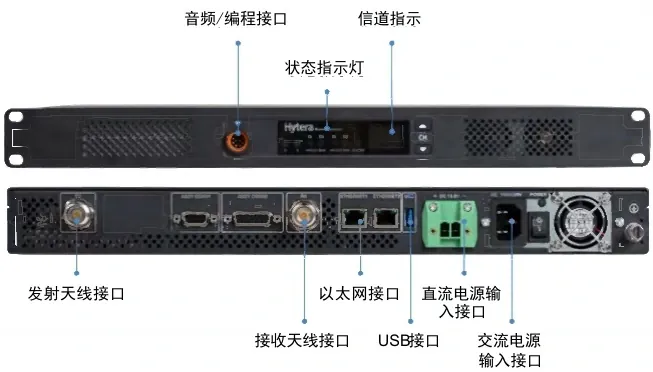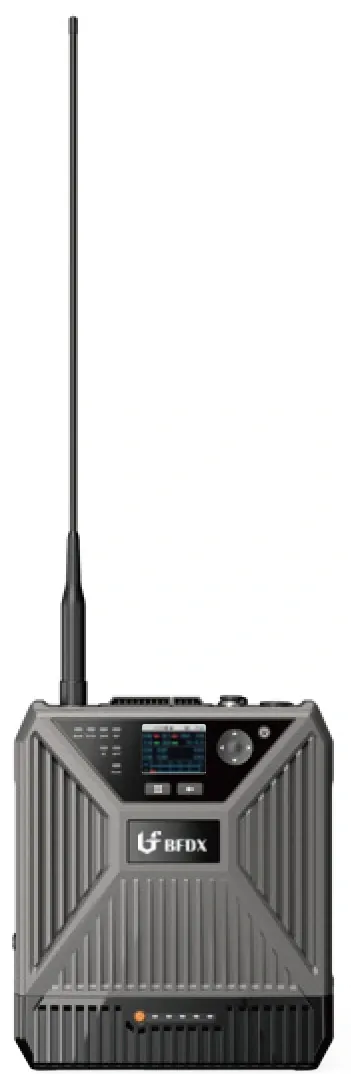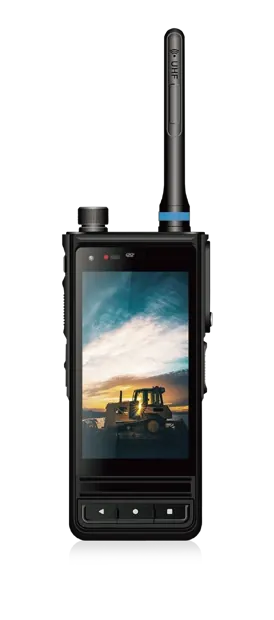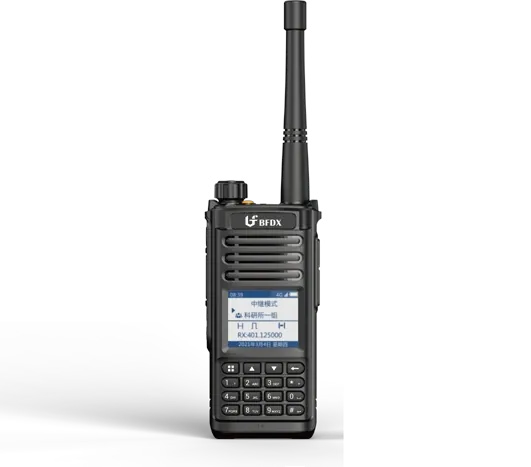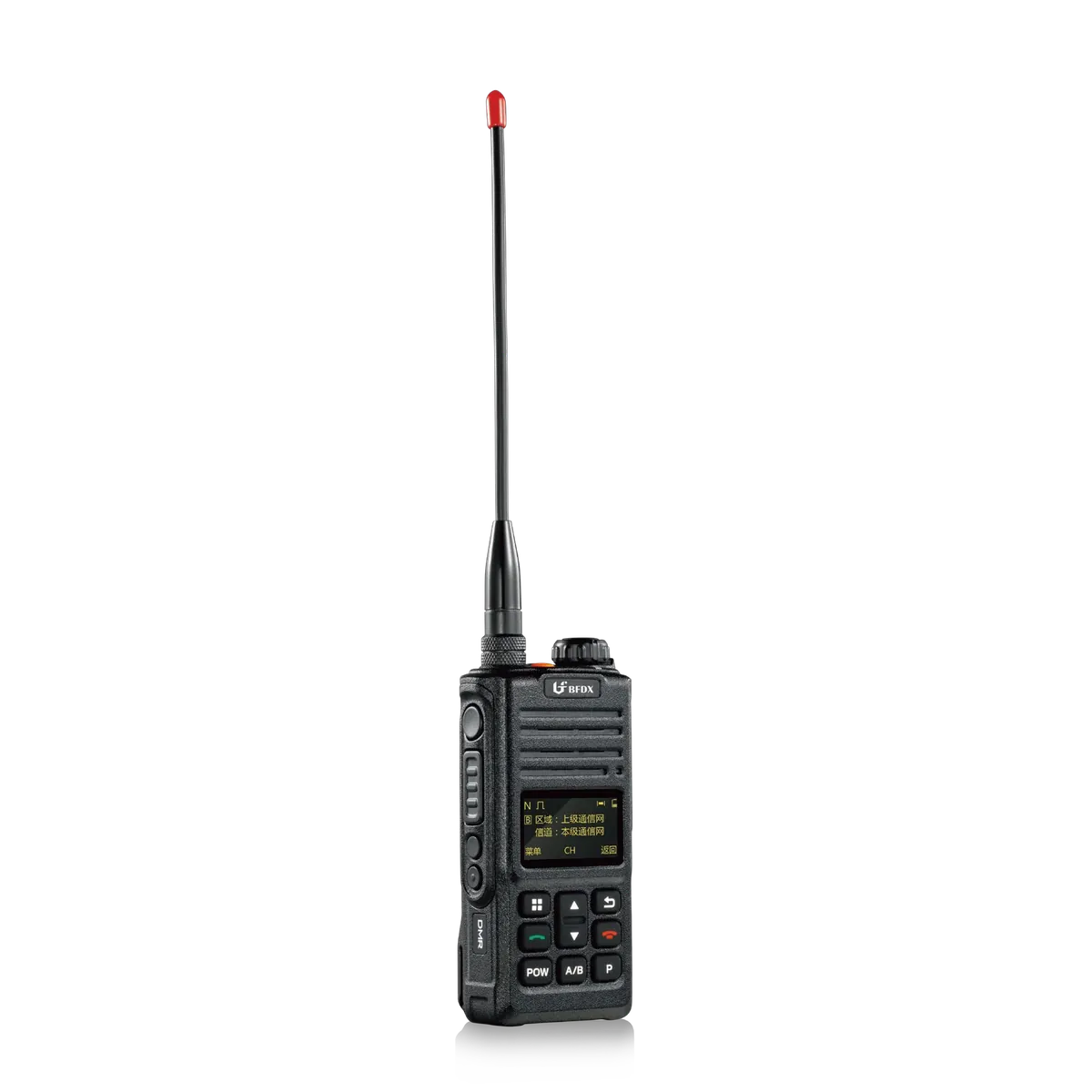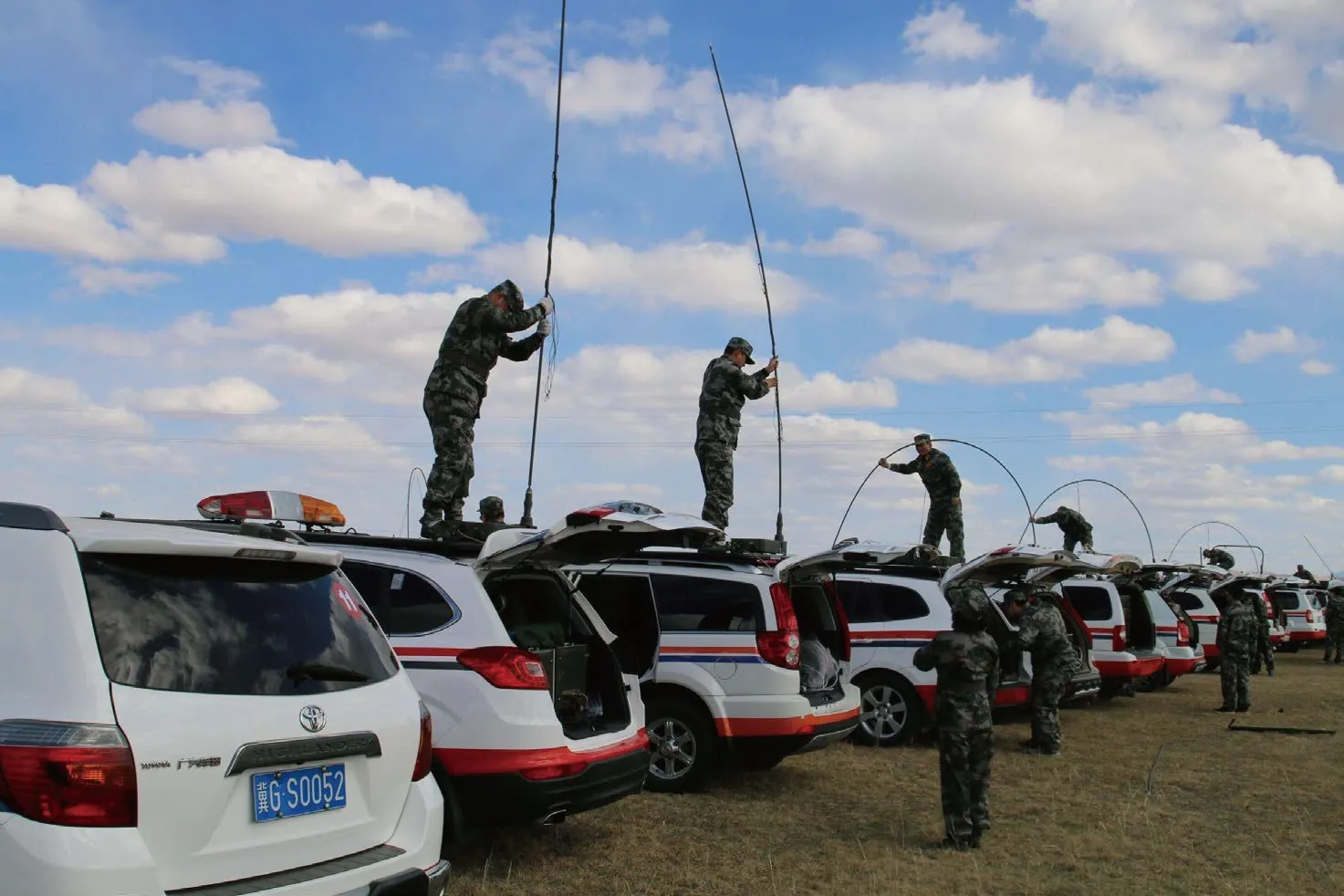
The deployment is built around what can be carried. A portable or vehicle-mounted repeater travels with the first responding unit and is raised on scene — on a mast, a roof, a hill or the command vehicle — to give the incident its own coverage. Handhelds operate on the repeater where it reaches and in direct mode where it does not, so an interior team or a party working in a basement keeps voice contact without depending on the link.
The talk group structure is designed before the incident. A command group carries the joint decision-making; separate working groups are assigned to each service or sector so that operational traffic does not swamp the command channel; and a calling group is kept for staff who are not yet assigned to a sector. Where agencies use different technology, a converged gateway or a converged handheld bridges conventional digital, trunked and public-network users into the same conversation, and where the infrastructure is intact, IP linking extends the temporary network back to a fixed site so the incident and the command centre see the same picture.
Power and logistics are treated as part of the design rather than as an afterthought. Portable repeaters run on their own batteries with a reserve, vehicle sets run from the vehicle, and handhelds can be charged from the vehicle, so the network does not depend on mains power being restored. Radio allocation, battery rotation and a documented set-up sequence — deploy, raise, power, verify, hand out — are written down and rehearsed, so that a crew arriving tired at night follows a checklist rather than trying to remember a plan.