A 24/7 secured site typically needs 10–40 radios, 3–6 talk groups and a control room base station.
Lone-worker, man-down and one-key emergency alarms protect night patrols and isolated posts.
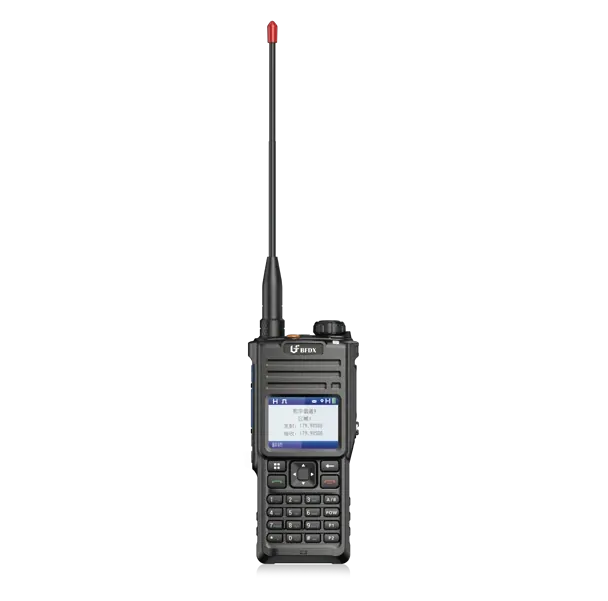
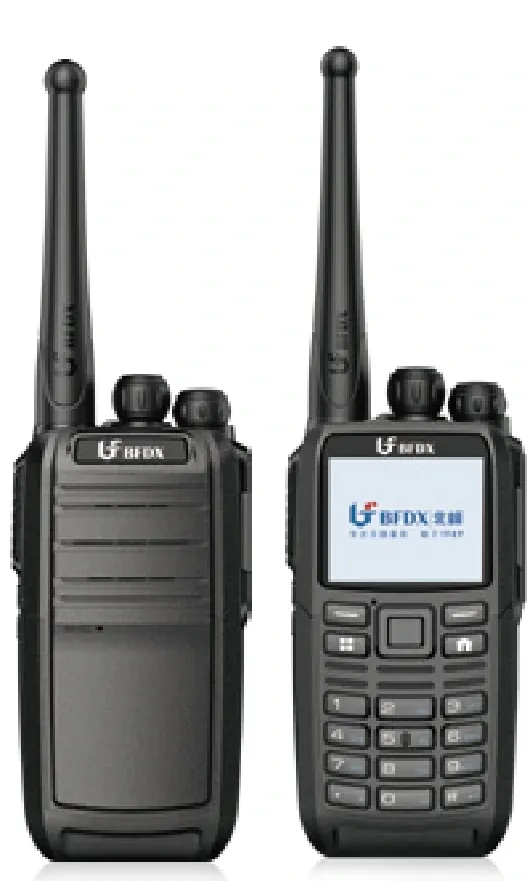
Use IP67 handhelds with 12–18 hour batteries and local or central recording.
A licensed DMR system with indoor antennas is usually needed for blocks, basements and perimeters.
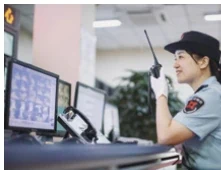
Security work is radio work with a safety layer. A guard on a night patrol may be alone, out of sight and far from the control room. The radio is not only how the control room reaches the guard; it is how the guard calls for help when something goes wrong.
Correctional and guarded facilities add thick walls, long perimeters, strict post separation and a recording requirement. The system has to cover every block, keep groups apart and produce a record that can be reviewed.
Security configuration by post
Post
Typical users
Radio & accessory
Talk group
Example quantity
Control room
2–4
Base station + dispatch console
Control / all call
2
Patrol
6–20
DMR handheld + earpiece
Patrol
18
Gate / reception
2–6
DMR handheld + base
Gate
6
Workshops / blocks
4–12
Rugged handheld + earpiece
Block groups
12
Escort / response
4–10
DMR handheld + speaker mic
Response + emergency
10
Medical
2–4
Handheld + earpiece
Medical
4
Example for a guarded facility with 20 staff on shift. Add 10–20% spares and a charger at the control room.
Security radio specification
Item
Typical specification
Why it matters
Emergency alarm
One-key alarm with identity and position
Control room knows who needs help and where
Lone-worker / man-down
Motion and tilt detection, timed check-in
Protects night patrols and isolated posts
Recording
Local + central recording
Supports incident review and disputes
Protection
IP67, 1.5–2 m drop
Rain, gates, vehicles and washdown
Battery
12–18 h, fast charge
Covers a full shift plus overtime
Positioning
GPS/BeiDou optional
Shows patrol and response locations
Analog vs DMR vs PoC for security
Dimension
Analog
DMR
PoC
Emergency alarm
Basic or third-party
Integrated with identity/location
Platform-dependent
Recording
Third-party
Local + central
Platform
Indoor coverage
Repeater + antennas
Repeater + indoor antennas
Mobile network
Privacy
Privacy code only
Encryption available
Platform encryption
Best fit
Small guard teams
Multi-post, recorded security
Multi-site mobile response
How do you cover a correctional facility?
A guarded facility is the least forgiving radio environment. Walls are thick, the perimeter is long, staff work alone on night patrols and every call may later be needed as a record. Coverage that is good enough in the yard will fail inside a block.
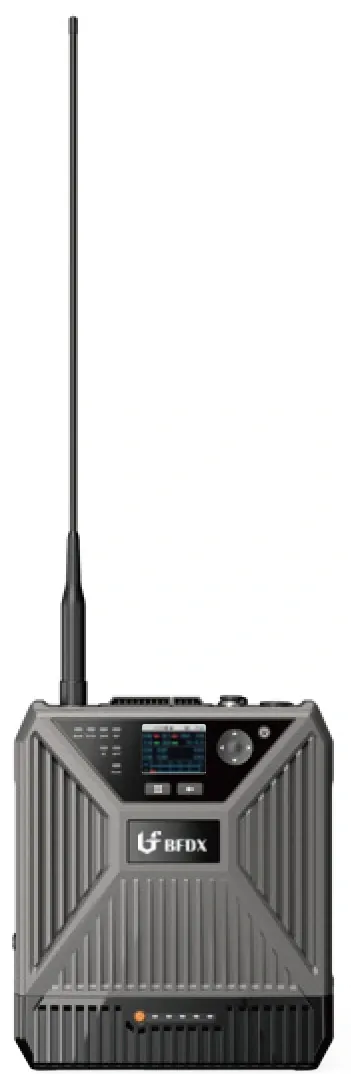
The design normally combines a repeater in the equipment room with an internal antenna system for blocks, workshops, basements and stairwells, plus additional coverage for gatehouses and the perimeter. A portable repeater covers any dead spot left after commissioning.
How do you separate posts and talk groups?
Groups are separated by function and post: control room, patrol, gates, workshops, medical, escort and emergency. Staff hear only what their post requires, while the control room can talk to everyone and listen to any group.
Handhelds are issued by post and locked so a user cannot move into another group. Patrol rounds can be logged, and posts can be geofenced so an officer leaving an area raises a notice at the control position.
What does lone-worker protection include?
A one-key emergency alarm, a man-down/tilt alarm and a timed check-in that the officer must reset. The alarm should carry the radio identity and, where available, the position or post.
Test the full path before acceptance: alarm button, network, console, operator action and response team. A system that only tests the button has not tested the alarm.
How do you record calls and patrols?
The dispatch platform records nominated talk groups centrally, and some handhelds keep a local copy in the terminal. The recording should be stored with radio identity and time so it can be found by post or period. A patrol module can log checkpoints, routes and exceptions.
Define the retention period and who may listen. A recording that cannot be retrieved under policy is not evidence; it is storage.
How do you integrate alarms and CCTV?
A dispatch platform can link radio alarms to CCTV, access control and fire alarms. When a guard presses the alarm, the relevant camera can be brought up; when an alarm comes from another system, a radio user can confirm or dismiss it.
Integration is a design decision, not a cable. Agree which alarms, cameras, talk groups and operator actions are in scope before the project starts.
What terminals fit night patrol?
Choose IP67, a loud but discreet earpiece, a battery that lasts the shift and an emergency button that can be found by touch in the dark. A belt holster should keep the antenna clear and the radio secure during a struggle or a fall.
For perimeter patrols, test coverage along the actual route with the final antenna positions. The perimeter is often the worst-covered part of the site.
Security compliance and privacy notes
Security radio systems collect identities, locations and voice recordings. Privacy, retention and access control are part of the design, not an administrative afterthought.
Confirm the licence covers every post, repeater and antenna.
Use encryption for sensitive security traffic.
Define who may listen to recordings and how long they are kept.
Test emergency alarm, man-down and response workflow end to end.
Keep a radio-by-post assignment record for accountability.
Project evidence
Secured Facility and Perimeter Control
Indoor blocks, perimeter, control room and post-based talk groups, with local and central recording and alarm integration.
The control room can reach any post in one call; each post hears only its group; alarms arrive with identity and position.
Client name withheld; the figures describe the delivered configuration.
One per guard on shift plus 10–20% spares, plus fixed sets for the control room and gate. A 20-guard shift typically needs 22–24 radios.
What is a man-down alarm?
A sensor detects that the radio has been horizontal or motionless for a set time and raises an alarm. It protects guards who are unconscious or unable to press the emergency button.
Do security radios need a licence?
A small team on licence-free handhelds may not need an individual licence, but a site-wide network with a repeater and recording normally needs a business licence held by the operator.
Can the control room listen to every conversation?
The dispatch platform can monitor and record nominated talk groups, subject to the site’s privacy policy. Define which groups are recorded and who may access the recordings.
How do we cover a perimeter and car park?
A rooftop repeater may cover the open perimeter, but car parks, basements and indoor posts often need additional antennas or a second site. Test along the patrol route.
Can radios integrate with our CCTV?
A dispatch platform can link radio alarms to CCTV, access control and fire alarms, so an alarm can bring up the relevant camera. The integration scope is agreed at design stage.
What happens if a radio is lost?
The control room can stun the terminal so it cannot transmit or receive. A radio-by-post assignment record shows who last held it and where to start the search.
Get a project quotation
Send the site size, number of users and talk groups. Our engineers reply within one working day with a workable configuration.