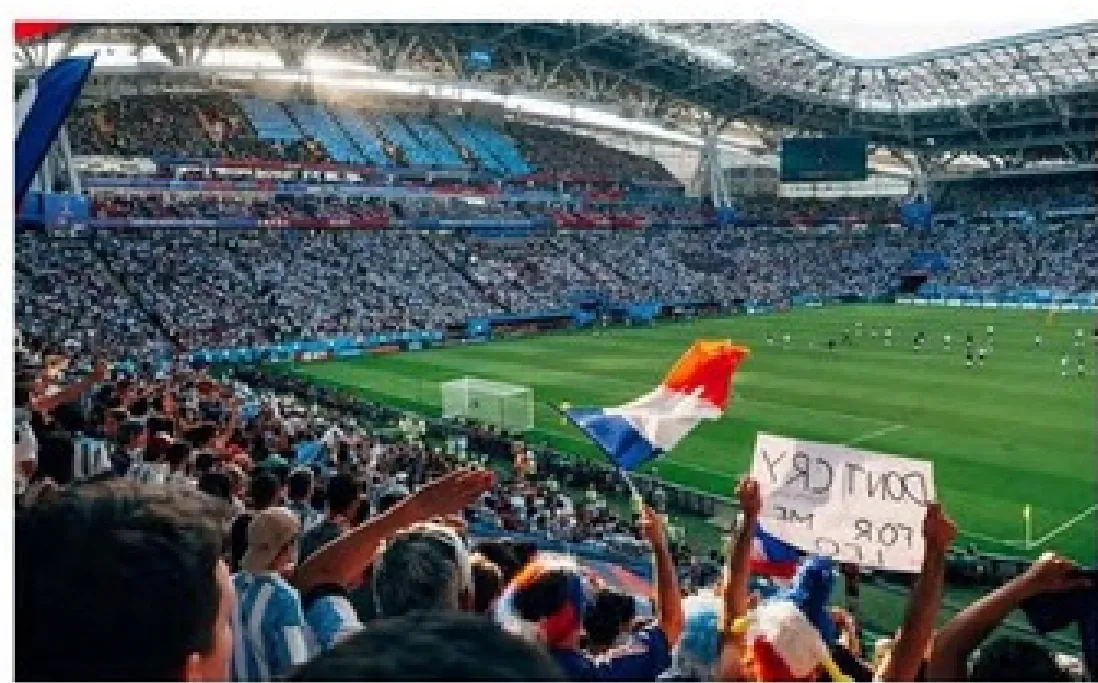
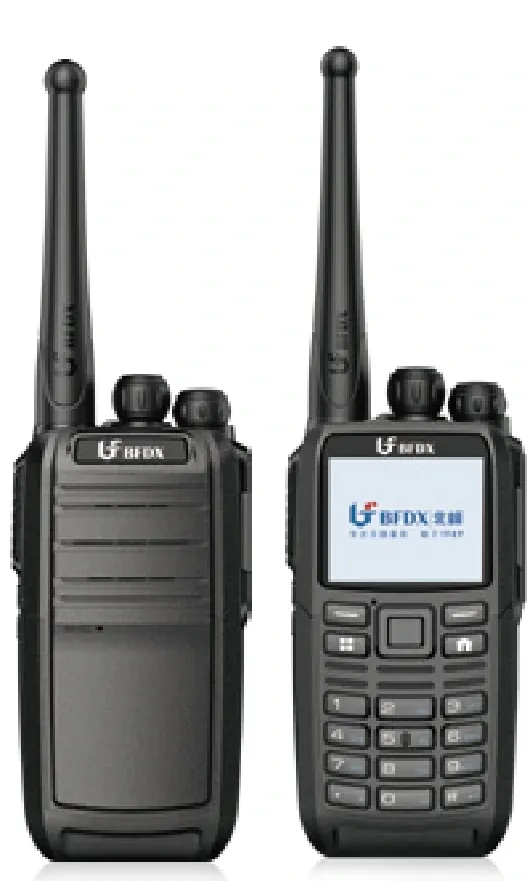
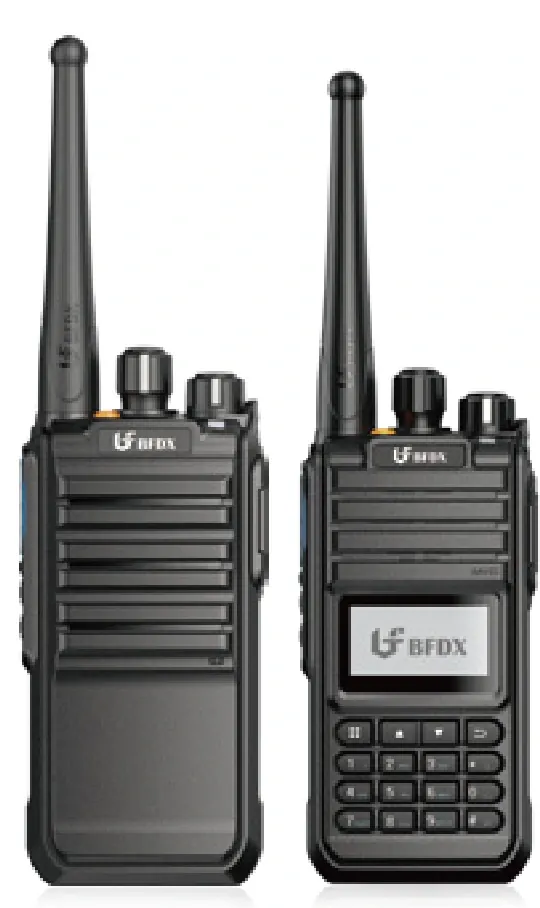
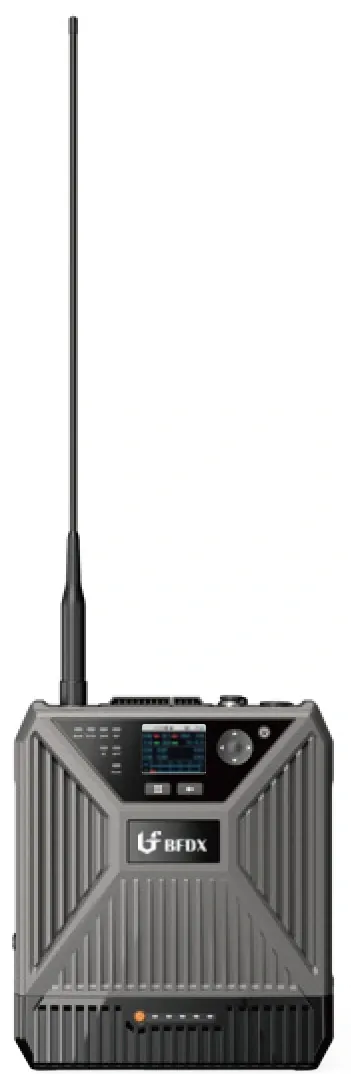
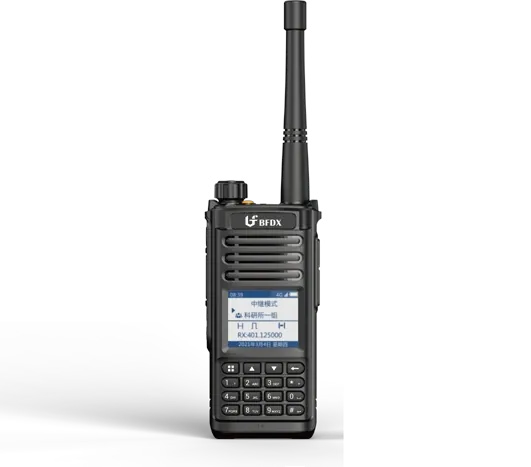
A multi-day event typically rents 20–200 radios for a 3–7 day term, with 10–20% spares.
Rental should include programming, charging, spare batteries, delivery and collection, not just the handsets.
Buying usually wins after roughly 15–25 rental days per year; below that, renting is the lower-risk choice.
Book 2–4 weeks ahead for a large event; standard orders can be ready in 1–2 weeks.
Rental is the right answer when the radio requirement is real but temporary: a trade show, a festival, a construction fit-out, a seasonal warehouse or a one-off security operation. You need working radios, programmed to your talk groups, with charged batteries and spares, for a defined number of days.
The failure mode is treating rental as “a box of radios”. A rental without programming, charging and a return routine creates the same operational problems as a badly planned purchase — just for a shorter period.
Typical rental configuration by event role
Role / zone
Typical users
Radio & accessory
Talk group
Example quantity
Command / control
2–4
DMR handheld + base station
Command group
4
Security / gates
10–40
Rugged handheld + speaker mic
Security group
30
Stewards / ushers
20–80
Compact handheld + earpiece
Zone groups
60
Medical
4–10
Handheld + earpiece
Medical group
8
Operations / production
10–30
DMR handheld + speaker mic
Ops group
20
Backstage / artists
5–15
Compact handheld + earpiece
Backstage group
12
Example for a 3-day event with about 150 staff. Add 10–20% spares and a charging plan per shift.
What a rental package should specify
Item
Typical rental specification
Why it matters
Radio type
Analog or DMR handheld, 4–5 W
DMR for multiple groups; analog for simple events
Channel plan
Programmed and locked per role
Prevents users from changing groups
Battery
12–18 h, plus spare batteries
Covers a full event day and a backup shift
Accessories
Earpieces, speaker mics, chargers
Matches the role and the noise level
Charging
Multi-unit rack charger on site
Avoids a midday battery crisis
Spares & loss
10–20% spares; loss terms in the contract
Keeps the event running if a radio disappears
Rent vs buy vs PoC
Dimension
Rent
Buy
PoC rental
Upfront cost
Low
High
Low–medium
Best for
3–30 day events
Permanent sites
Multi-site events
Coverage
Site + rental repeater
Site + owned repeater
Mobile network
Recurring cost
Per rental day
Maintenance only
Subscription per user
Risk
Low; supplier owns the fleet
You own repairs and spares
Depends on mobile coverage
How does walkie-talkie rental work?
A rental starts with the event plan: how many roles, how many zones, how many days and whether the venue has a permanent radio system. The supplier then proposes a radio count, a channel plan, a charging plan and a delivery schedule. The radios arrive programmed and labelled, with spare batteries and chargers.
At the end of the term the radios are returned, checked and reprogrammed for the next event. The contract should state the rental period, delivery and collection, loss and damage terms, and who is responsible for on-site charging.
How many radios do you need for an event?
Count the roles that need to talk during the busiest hour, then add 10–20% spares. A 150-person event with command, security, stewards, medical, operations and backstage typically lands at 100–160 radios. A smaller single-hall conference may need 20–40.
Do not size the fleet from the total attendee count. Most attendees never carry a radio; the number that matters is the staff who need to coordinate.
What should be included in the rental?
At minimum: radios, batteries, chargers, programming to the event channel plan, labels, delivery and collection. For larger events, add a charging rack, spare radios, a site radio manager and a pre-event check of every talk group at every position.
Accessories are not optional. An earpiece for front-of-house, a speaker microphone for security and a noise-attenuating headset for the stage crew change the usability more than another 10 radios.
Rent or buy: where is the break-even?
As a planning rule, buying becomes attractive after roughly 15–25 rental days per year. Below that, renting avoids the capital cost, storage, maintenance and programming workload. Above it, owning a fleet can be cheaper over three to five years.
The break-even moves with the number of radios, the need for repeaters and the cost of internal administration. A 20-radio fleet used twice a year is usually a rental; a 100-radio fleet used every month is usually a purchase.
How do you manage charging, spares and lost radios?
Plan charging by shift, not by event. A multi-day event needs a charging rack in the crew room, a labelled slot for every radio and a spare battery per radio. Collect radios at the end of each shift, charge them overnight and issue them again in the morning.
For lost radios, use a sign-out sheet by radio number and position. If the fleet is large, a management platform can stun a missing terminal and show which position last held it.
Can a rental cover multiple sites or countries?
Within one country, a rental can cover several sites with separate radio pools and a common channel plan. Across borders, the radio band version and type approval have to match each country, and the licence responsibility has to be assigned. Do not assume the same fleet can be used in every market.
For multi-country events, PoC or a local rental partner in each country is often simpler than shipping licensed radios across borders.
What about licensing for a temporary event?
A short event still needs a legal route. Small events can often use licence-free PMR446 or FRS handhelds, but a large venue with a repeater or multiple talk groups normally needs a temporary or site licence. The event organiser, the venue or the rental supplier may hold it — agree in writing before the event.
If the rental includes a repeater, confirm the frequency pair, the licence and the antenna position. A repeater without a valid assignment is not a solution; it is a compliance problem with better coverage.
Rental compliance and logistics
A rental moves equipment between sites and sometimes between countries. The paperwork has to move with it: licence or licence-free declaration, programming file, battery transport documents and a loss/damage schedule.
Agree who holds the licence for the event and who is responsible for the frequency plan.
Keep UN38.3 and SDS documents for lithium battery transport.
Label every radio with its role, group and asset number.
Record serial numbers at delivery and collection.
Confirm insurance and loss/damage terms in the rental contract.
Project evidence
Multi-Day Event Security Network
A temporary radio network for a multi-day event: venue coverage, a command group, role-based talk groups and a managed radio pool.
Every functional area has coverage; each group hears only its own traffic; radios are issued programmed, charged and labelled for each position.
Client name withheld; the figures describe the delivered configuration.
Book 2–4 weeks ahead for a large event with repeaters and 100+ radios. Standard handheld orders can be ready in 1–2 weeks. Peak seasons and multi-country events need more lead time.
Do you offer event radio rentals?
Yes. Event radio rentals are quoted as a package: handhelds, batteries, chargers, programming, labels, spares and a repeater where the venue needs one. Event walkie talkie rentals for festivals, conferences and sports events can run from 20 to 200 radios, with 3–7 day terms and delivery to site.
Are the radios programmed for our event?
Yes. A proper rental includes programming to your talk-group plan, labels by role and a locked channel list so users cannot change groups by accident.
What happens if a radio is lost or damaged?
The rental contract should state the loss and damage terms and the replacement value. A sign-out sheet by radio number and position makes it possible to trace where the unit was last issued.
Can we rent a repeater as well?
Yes, when the venue needs coverage beyond handheld range. The rental should include the repeater, antenna, power and a coverage check, and the licence must cover the repeater frequency pair.
Is rental cheaper than buying for a one-day event?
Almost always. A one-day event does not justify the capital cost, storage, charging infrastructure and programming workload of owning a fleet. Rental also transfers the maintenance risk to the supplier.
Can we use the same radios at two venues on the same day?
Only if you have two radio pools or a plan to move and reprogram them between venues. Sharing one pool across two sites usually fails because the radios, batteries and chargers are in the wrong place at the wrong time.
Do rental radios work with our existing fleet?
They can, if the band, channel plan and programming match. Tell the supplier which models and frequencies you already use, and ask for a compatibility check before the event.
Get a project quotation
Send the site size, number of users and talk groups. Our engineers reply within one working day with a workable configuration.