Two-Way Radios for Nigeria: NCC Approval and Project Supply
Nigeria two-way radio guide: NCC type approval, frequency assignment, import documents and project supply for oil and gas, security, construction and hotels.
Business radios need NCC type approval, and most sites also need a frequency assignment before transmitting.
Plan 3–8 weeks for production plus 2–4 weeks for freight, customs and local registration.
Typical projects use 20–100 handhelds with one or two repeaters; oil and gas camps can exceed 150 radios.
Specify IP67 terminals, 12–18 hour batteries and 230 V chargers with Type G plugs.
Nigeria is one of the largest project markets in Africa, with demand concentrated in Lagos, Abuja and Port Harcourt. Oil and gas, construction, private security, hospitality and logistics teams all run radio networks, but each sector faces a different approval and import path.
The Nigerian Communications Commission (NCC) controls type approval and frequency assignment. A radio that is legal in another African market is not automatically legal here, and a dealer cannot simply program any frequency the site prefers. This guide explains what to prepare before the order and how the equipment reaches site.
Typical radio projects in Nigeria
Sector
Typical system
Approval focus
Typical radios
Project scale
Oil and gas
DMR + repeater, ATEX where required
NCC approval + frequency assignment; hazardous-area certificate
40–150 handhelds
Camp or terminal
Construction
Analog or DMR + portable repeater
NCC approval + frequency assignment
20–60 handhelds
Project duration
Private security
DMR + dispatch and recording
NCC approval + frequency assignment
25–80 handhelds
Single or multi-site
Hotels and events
DMR + repeater + earpieces
NCC approval + frequency assignment
30–90 handhelds
Single property
Logistics and ports
DMR + mobile radios + recording
NCC approval + frequency assignment
30–100 radios
Yard or warehouse
Scale is a planning range, not a fixed package. A coverage walk-test and shift plan set the final count.
Typical equipment package
Role
Recommended terminal
Why it fits
Typical quantity
Site handheld
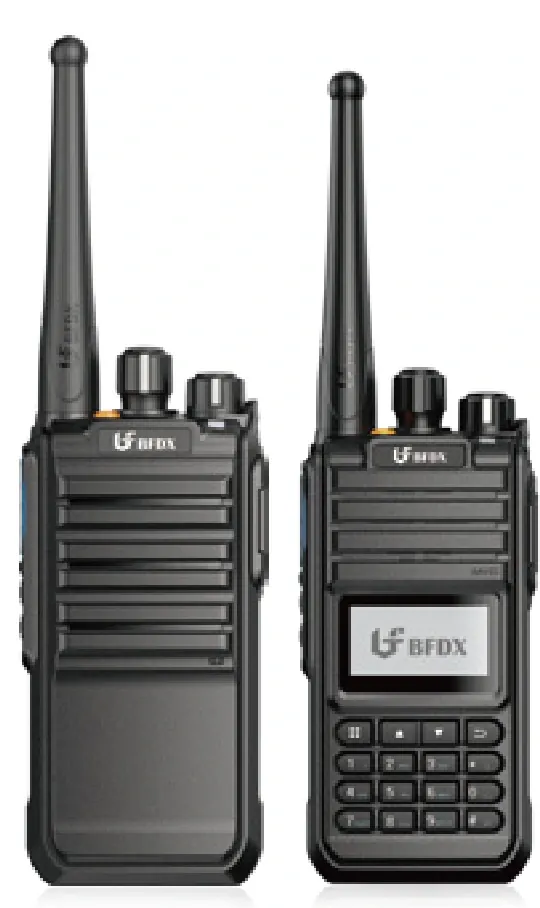
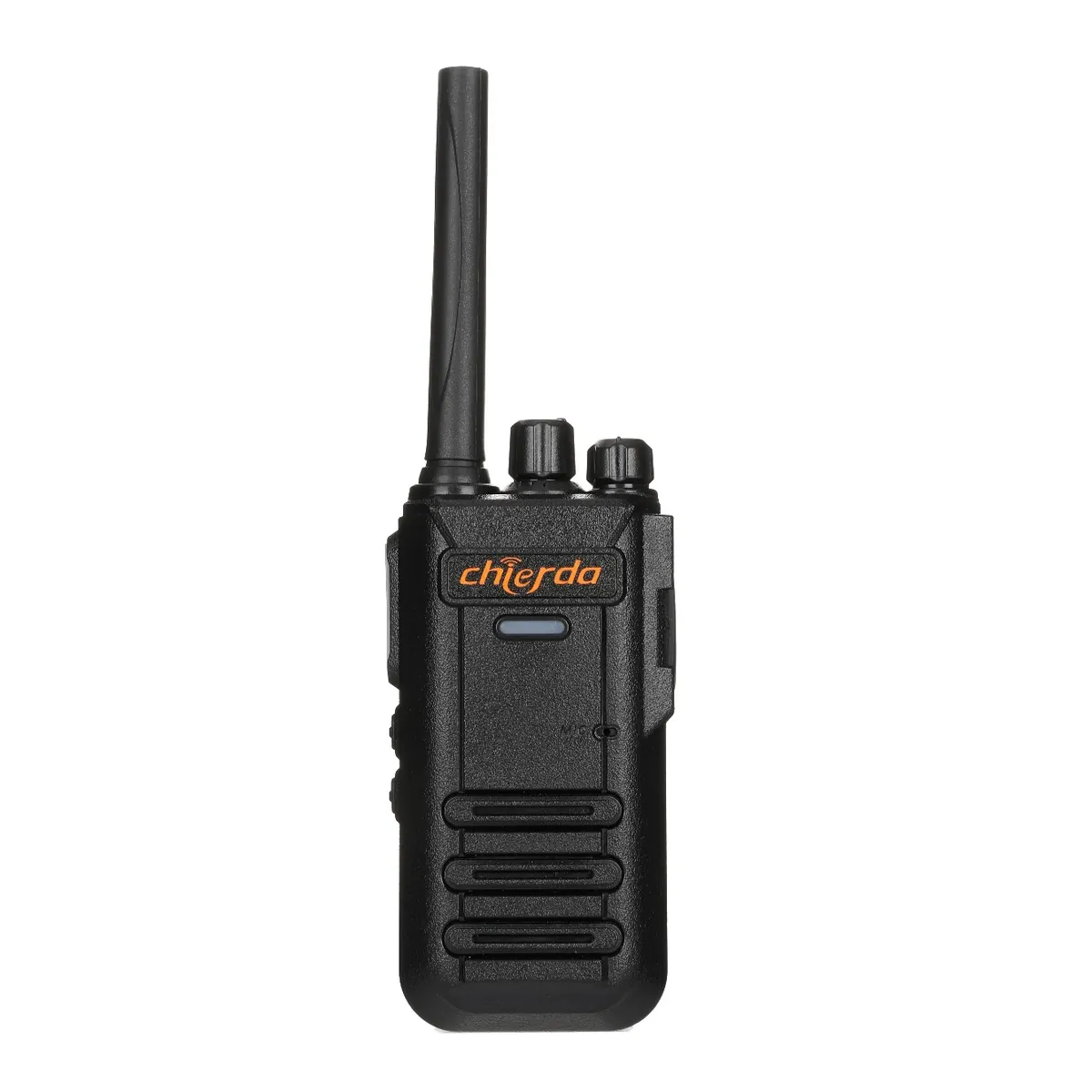
IP67 DMR handheld, 5 W, 256 channels
Dust and water protection, loud audio, all-day battery
20–80
Supervisor / control room
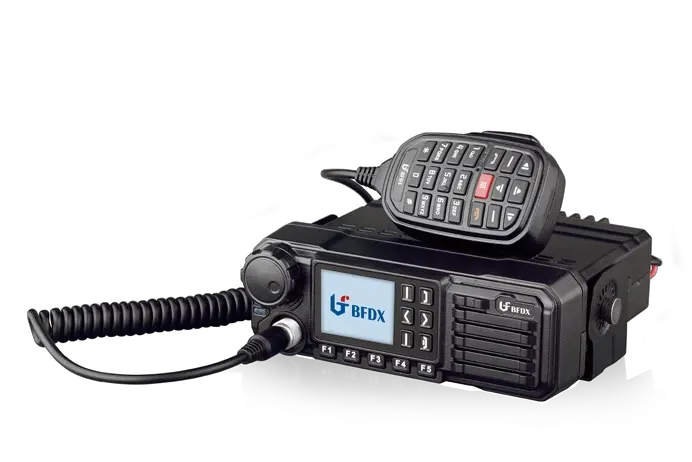
25–50 W mobile radio or base station
A fixed control point with higher power and a desk microphone
2–10
Coverage
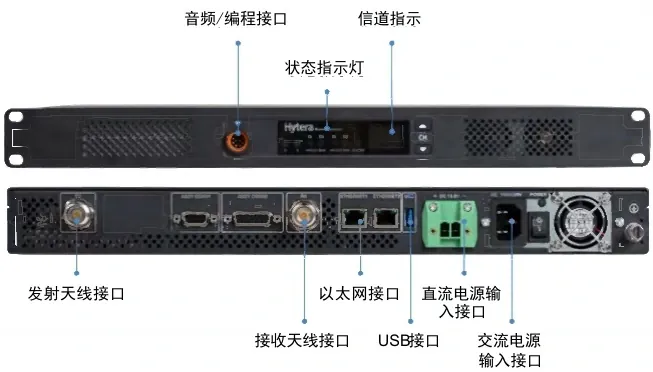
25–50 W repeater with antenna and feeder
Extends coverage across buildings, yards and remote areas
1–3
Accessories
Earpieces, spare batteries, multi-way charger
Hygiene, shift changes and continuous charging
1 per radio
Quantities are a starting point for one site. Confirm them after a coverage walk-test and a shift plan.
Analog, DMR or PoC?
Technology
Best for
Limitations
Typical use
Analog
Small teams, simple voice and the lowest equipment cost
No text, GPS or recording; limited privacy
Small hotels, guarding, short projects
DMR
Dispatch, recording, multi-site coverage and long battery life
Higher unit cost; programming and licensing are required
Hotels, industry, events, public safety
PoC
Wide-area coverage over mobile data, rapid deployment
SIM and data cost; network dependency; latency
Logistics, dispersed teams, temporary sites
Most projects combine DMR handhelds with a repeater, plus a small pool of analog spares for contractors and short-term staff.
How does NCC type approval work?
Type approval confirms that a specific model and band version may be sold and used in Nigeria. It is tied to the hardware, the frequency range and the power rating, so a 400–470 MHz UHF version is a different approval from a 136–174 MHz VHF version. The certificate is usually held by the manufacturer or the local importer, and the importer must be able to show it at customs and to the customer.
Frequency assignment is a separate step. The operator or importer applies for the channels the site will use, and programming happens only after the assignment is confirmed. For projects with several sites, list every location and talk group in the application so the licence covers the whole network rather than one building.
Confirm the exact model, band and power rating before quoting.
Ask the importer who holds the NCC certificate and how it is renewed.
Apply for frequency assignment before radios are programmed.
Keep a copy of the approval and assignment with the shipment.
Which frequencies can a Nigerian site use?
Most business networks use VHF 136–174 MHz or UHF 400–470 MHz, depending on the site layout and the licence granted. VHF generally suits long, open routes and rural coverage; UHF works better inside buildings, industrial plants and dense urban sites. The final choice must follow the assignment, not a catalogue default.
Repeater coverage is the next constraint. A single repeater on a roof or mast can cover a warehouse, a hotel or a compact campus, but a large terminal or a multi-building site needs a coverage survey and possibly two repeaters linked together. Do not promise site-wide coverage from a handheld-to-handheld plan in a steel-heavy environment.
Use VHF for long open routes; UHF for buildings and plant areas.
Survey the site before fixing repeater count and antenna height.
Reserve one talk group for emergencies and one for supervisors.
Test coverage at the busiest shift, not an empty site.
How do radios clear customs in Nigeria?
Import normally runs through a licensed local importer or dealer. The commercial invoice, packing list, HS code and type approval evidence must agree on the model and band version; a mismatch is a common reason for delays at Lagos ports. Lithium batteries travel with UN38.3 and SDS documents, and the charger type must match local 230 V supply.
SONCAP may apply to regulated products, and the importer should confirm whether the shipment needs a certificate before it leaves the factory. Build customs and last-mile time into the project schedule rather than treating it as an afterthought. For a first order, a small approval sample can clear the paperwork before the main shipment.
Use a licensed importer with radio experience.
Match invoice, packing list, HS code and approval on model and band.
Send UN38.3 and SDS with every lithium battery shipment.
Confirm SONCAP or other product certification before shipment.
What radio setup suits Nigerian sites?
Heat, humidity, dust and unstable power shape the specification more than the brand. Choose IP67 terminals with a loud speaker and a battery rated for at least 12 hours, then add a multi-way charger that can run from mains and a small inverter. For oil and gas or mining sites, confirm hazardous-area certification separately; a standard IP67 radio is not an ATEX or IECEx device.
A typical project starts with 20–100 handhelds, one or two repeaters and 2–10 mobile or base radios for supervisors and the control room. Accessories matter: earpieces for hotels and events, remote speaker microphones for security, and spare batteries for shift changes. Program and label the radios before they leave the factory so the local team does not have to rebuild the channel plan on site.
IP67, 12–18 hour battery and a loud speaker for outdoor sites.
Plan charging for mains outages, not only for normal power.
Use earpieces in guest areas and remote microphones for guards.
Program, label and lock the channel plan before shipment.
Market compliance notes
Approval and licensing are site-specific. Confirm the NCC certificate for the exact model and band, the frequency assignment for every location, and the importer who will hold the documents. Keep the approval, assignment, invoice and battery papers together; customs and the customer will ask for the same set.
Type approval certificate for the exact model and band version.
Frequency licence or assignment letter for the site.
Commercial invoice, packing list and HS code.
UN38.3 test summary and SDS for lithium batteries.
Importer and consignee details for customs.
Local-language labels or manuals where required.
Project evidence
Multi-Building Industrial Park Network
A multi-building industrial project supplied with project-specific band versions, programming and documentation.
The local partner received configured radios and a document pack; commissioning proceeded building by building.
Client name withheld; the figures describe the delivered configuration.
Do we need an NCC licence to use two-way radios in Nigeria?
Business radios need type approval, and most sites also need a frequency assignment before transmitting. The importer or operator normally applies; confirm the route before the order so programming and shipping are not delayed.
Can you supply radios with NCC type approval?
We supply the model and band version that matches the approval held for the project. Send the destination and planned frequency range, and we will confirm the available approval evidence with the local importer.
Which band is better for Lagos or Port Harcourt?
UHF 400–470 MHz is common for buildings, plants and dense urban sites; VHF 136–174 MHz suits long open routes and rural coverage. The final choice depends on the assignment and a site survey.
Can you program radios before shipping?
Yes, once the frequency assignment and channel plan are confirmed. Radios are programmed, labelled and locked before packing so the local team can issue them without rebuilding the plan.
What documents travel with the shipment?
Commercial invoice, packing list, HS code, type approval evidence, frequency assignment reference, UN38.3 and SDS for lithium batteries, and the importer and consignee details required for customs.
How long does a typical project take?
Plan 3–8 weeks for production and programming, plus 2–4 weeks for freight, customs and local registration. First orders or custom band versions can take longer.
Do you provide local service and spare parts?
Local importers and service partners normally handle first-line support and spares. We support the technical file, replacement units and programming; the exact terms are stated in the project quote.
Can you supply chargers for Nigerian power?
Yes. Specify 230 V input and Type G plugs, and consider a multi-way charger that can run from an inverter during outages. Vehicle chargers are available for mobile teams.
Get a project quotation
Send the site size, number of users and talk groups. Our engineers reply within one working day with a workable configuration.