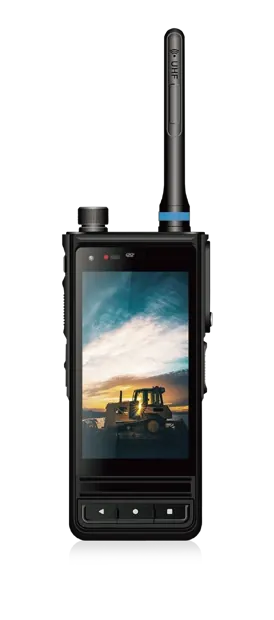
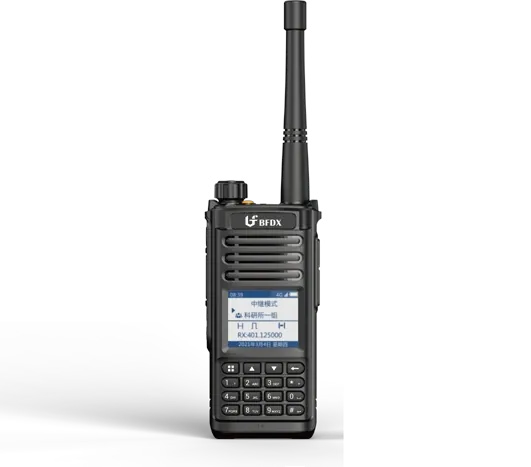
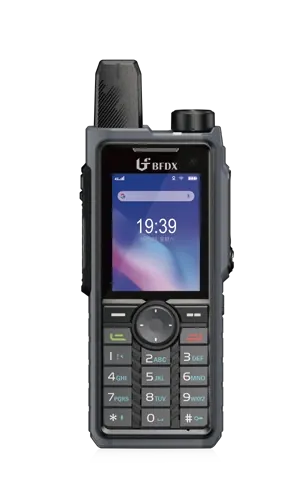
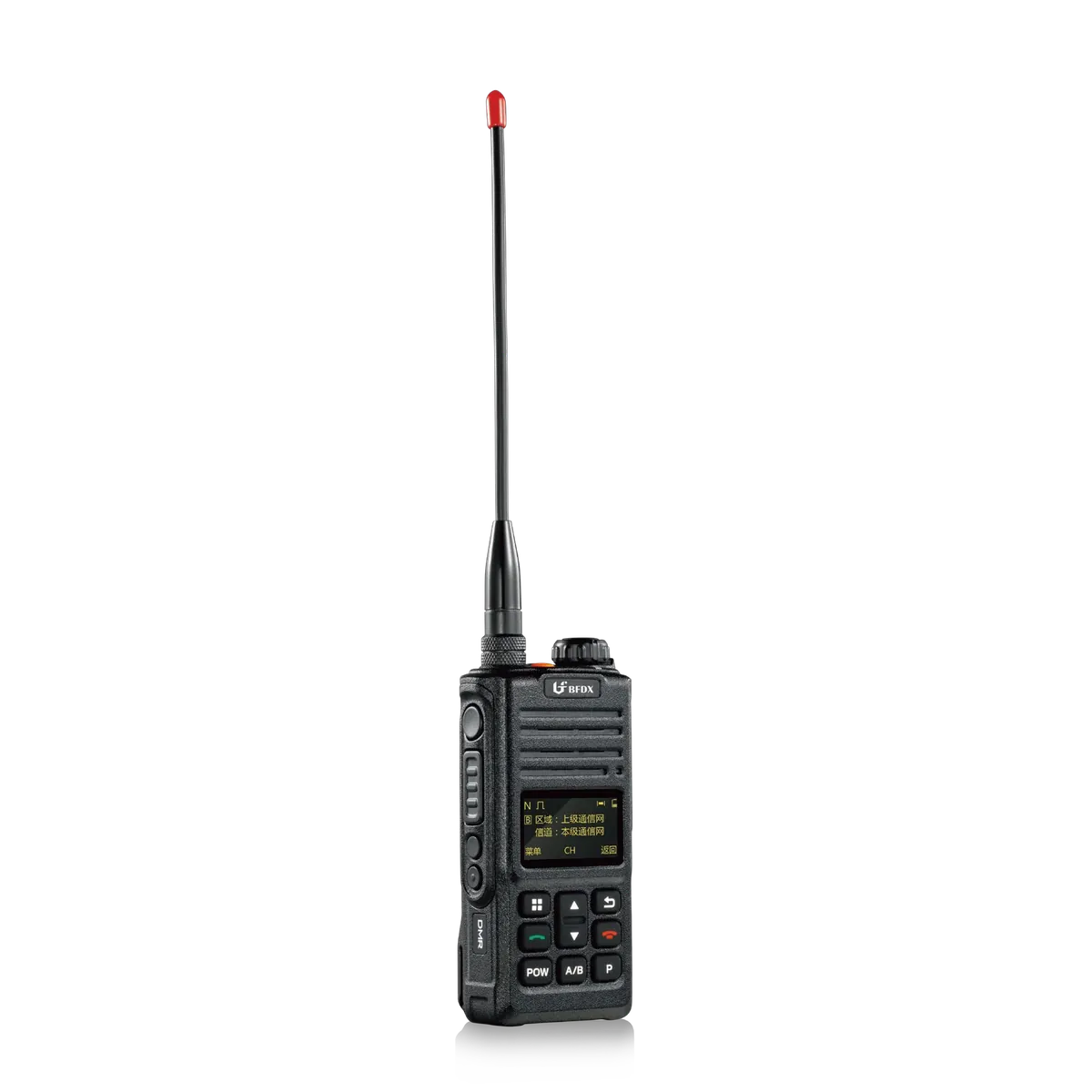
PoC runs over 4G/LTE, so there is no radio-site distance limit within mobile coverage.
It adds a data plan and a platform subscription per user, every month.
Latency is higher than conventional radio; test it in a pilot before a fleet rollout.
Converged terminals combine PoC and DMR in one device for mixed estates.
PoC (push-to-talk over cellular) moves the radio conversation onto the mobile network. The user still presses PTT and talks, but the voice travels over 4G/LTE to a platform that distributes it to the group. There is no repeater to install and no site coverage to design.
The trade-off is dependency: mobile coverage, data plans, platform subscription and latency. PoC is excellent for multi-city fleets and temporary sites, and weak where the mobile network is weak.
PoC configurations by use case
Use case
Typical radios
Key features
Network
Example scale
Multi-city fleet
PoC mobile or handheld
GPS, dispatch, group call
4G/LTE + platform
20–500 radios
Temporary event
PoC handheld + earpiece
Temporary groups, rental pool
4G/LTE
20–200 radios
Remote site
PoC handheld + vehicle kit
No radio site, GPS
4G/LTE
10–60 radios
Mixed estate
Converged DMR/PoC terminal
Site DMR + road PoC
Repeater + 4G/LTE
40–200 radios
Seasonal operation
PoC handheld
Subscription switched off after season
4G/LTE
10–80 radios
What to look for in a PoC radio
Specification
Typical PoC range
Why it matters
Network
4G/LTE, Wi-Fi fallback
Coverage follows the mobile network
SIM
Single or dual SIM
Dual SIM improves coverage across carriers
Positioning
GPS/BeiDou
Dispatch sees the fleet on a map
Battery
10–16 h, depending on network use
Data connection consumes more than standby
Protection
IP54–IP68
Matches the environment
Platform
Dispatch, groups, recording, API
The platform is part of the system, not an accessory
PoC vs DMR vs analog
Dimension
Analog
DMR
PoC
Coverage
Site + repeater
Site + repeater
Mobile network
Distance
Limited by site
Limited by site
City / country
Latency
Lowest
Low
Noticeable
Recurring cost
None per user
None per user
Subscription per user
Best fit
Simple single sites
Critical single sites
Multi-site fleets
How does PoC work?
A PoC radio connects to the mobile network and registers with a platform. When the user presses PTT, the radio sends a request to the platform, which grants the floor and distributes the voice to the selected group. The process takes longer than a conventional radio, but works across any distance the mobile network covers.
The platform is the system: it manages users, groups, dispatch, recording and sometimes GPS history. Choosing a PoC radio means choosing a platform and a commercial relationship, not just a handset.
What coverage does PoC provide?
PoC coverage follows the mobile network. In a city or along a highway, that is excellent. In a basement, tunnel, large steel building or remote site, it can be poor or absent. The same places where a conventional repeater is strongest are often the places where PoC is weakest.
If the operation includes both, a converged DMR/PoC terminal or a gateway lets the site network and the mobile fleet share talk groups.
How much latency should we expect?
A conventional radio opens the transmitter as soon as PTT is pressed. A PoC call has to travel through the mobile network to the platform and back, so users hear a waiting period. The delay grows when the network is busy or the signal is weak.
For routine coordination, the delay is usually acceptable. For fast-moving work directed by voice, measure it in a pilot before committing the fleet.
What SIM and data plan do we need?
Each PoC terminal needs a SIM and a data plan. Dual SIM helps where one carrier does not cover everywhere. The platform subscription is usually separate from the data plan, and both scale with headcount.
Manage the SIMs like any other asset: activation, suspension, replacement and cancellation when staff leave. An unmanaged SIM is a recurring cost with no user.
How does battery life compare?
PoC radios maintain a data connection to the platform, so standby behaviour and network quality affect battery life more than in a conventional radio. A strong signal and a well-designed terminal can last a shift; a weak signal can drain the battery faster.
For long shifts, choose a model with a larger battery or a swappable pack, and plan charging the same way as a conventional fleet.
When should we not use PoC?
Avoid PoC when the site has no reliable mobile coverage, when the work depends on instant voice, or when the operation must continue during a network outage. Basements, tunnels, remote industrial sites and disaster response are common examples.
For those environments, a conventional DMR or analog network with a repeater is usually more reliable. A converged terminal can keep PoC for the road and conventional radio for the site.
PoC compliance and operational notes
PoC avoids a frequency licence because it uses the mobile operator’s licensed network, but the equipment still needs market approval, and the service needs a data plan and platform contract. Coverage and continuity depend on the operator.
Confirm mobile coverage in every area the fleet will work.
Check device approval for the destination market.
Budget the data plan and platform subscription per user.
Define what happens during a network outage.
Manage SIM activation, suspension and cancellation.
Project evidence
Multi-Day Event Security Network
A temporary event network with role-based talk groups, a managed radio pool and a command group.
Every functional area has coverage; each group hears only its own traffic; radios are issued programmed and charged.
Client name withheld; the figures describe the delivered configuration.
A push-to-talk radio that uses the mobile network (4G/LTE or Wi-Fi) instead of a private radio channel. It needs a SIM, a data plan and a platform subscription.
Is a PoC walkie talkie different from a DMR radio?
Yes. A PoC walkie talkie carries push-to-talk audio over the mobile network, so it has no repeater or frequency licence of its own but depends on cellular coverage and a platform subscription. A DMR radio uses a licensed or licence-free radio channel and works without a mobile network, which is why many fleets use a converged PoC radio that can switch between the two.
Does PoC need a radio licence?
No frequency licence, because it uses the mobile operator’s licensed network. The device still needs market approval, and the service needs a data plan and platform contract.
How far does a PoC radio work?
Anywhere the mobile network covers. There is no radio-site distance limit, but basements, tunnels, remote areas and large steel buildings may have poor coverage.
Is PoC cheaper than DMR?
It can be cheaper upfront because there is no repeater or site build, but it adds a data plan and a platform subscription per user every month. Compare five-year totals for your headcount.
What is the latency of PoC?
Higher than conventional radio. The call has to travel through the mobile network to the platform before the floor opens. Test it in a pilot for fast-moving work.
Can PoC talk to DMR radios?
Through a converged terminal or a gateway. The two systems can share talk groups, but the integration scope and the group plan have to be designed.
What happens when the mobile network is down?
PoC degrades or stops. If the operation must continue, keep a conventional radio layer or a fallback plan. Do not rely on PoC alone for critical response.
Get a project quotation
Send the site size, number of users and talk groups. Our engineers reply within one working day with a workable configuration.